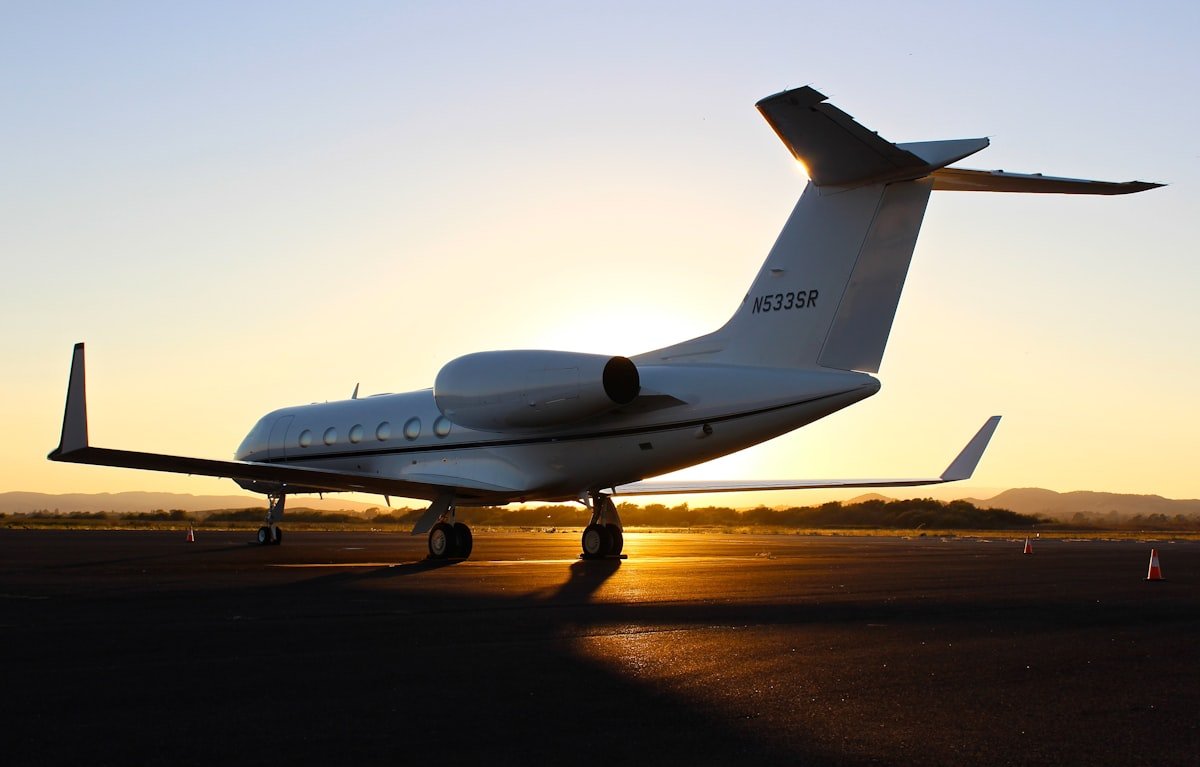
Chartering a private jet costs between $2,600 per flight hour for a light jet (6-8 passengers) and $14,000+ per hour for a heavy long-range jet (10-16 passengers). A one-way flight from New York to Miami on a midsize jet costs approximately $14,000-$22,000, while London to Dubai on a heavy jet runs $80,000-$120,000. This guide breaks down exact costs by aircraft type, explains the booking process step by step, and reveals how empty leg flights can reduce costs by 40-75%. All pricing verified March 2026 across multiple charter brokers.
The private jet charter industry has experienced a permanent shift since 2020. First-time charterers now represent over 40% of all bookings, according to industry data from the Air Charter Association. Yet the market remains deliberately opaque: two brokers quoting the same route on the same aircraft type can differ by $10,000 or more. This guide exists to give you the pricing benchmarks and knowledge to make informed decisions.
Why Charter a Private Jet in 2026
Private jet charter serves four distinct needs, each with a different cost-benefit calculation. Understanding which applies to your situation determines whether chartering makes financial sense.
Time-critical business travel represents the strongest economic case for private jet charter. A commercial flight from New York to Washington, D.C. takes 5-7 hours door-to-door (1 hour to airport, 1-2 hours security and boarding, 1 hour flight, 1 hour deplaning and ground transport). A private jet makes the same trip in 2 hours total (15 minutes to FBO, direct boarding, 45-minute flight, car on the tarmac). For executives billing $500+/hour, the $8,000-$12,000 charter cost pays for itself in recovered time.
Group travel economics surprise most first-time charterers. A light jet from New York to Miami carrying 6 passengers costs $14,000-$18,000, or $2,300-$3,000 per person. A last-minute first-class ticket on the same route costs $1,500-$3,500 per person. When you add baggage fees, airport transfers, lounge access, and the 3-4 hours saved, the per-person premium for chartering shrinks to near zero for groups of 6-8.
Remote destination access is the most practical reason many travelers charter. Airports like Aspen-Pitkin County (ASE), Gustaf III in St. Barths (SBH), and Ibiza (IBZ) have limited or no direct commercial service from major hubs. During peak seasons, a charter may be the only way to reach these destinations without multiple connections and overnight layovers. Private jets are also the fastest way to reach remote luxury destinations like the Maldives or Africa’s top safari lodges, where commercial connections can add a full day of travel.
Privacy and security drives charter demand among public figures, political delegations, and medical patients. Private jet terminals (Fixed Base Operators, or FBOs) offer discrete arrival and departure with no public terminal exposure. Customs and immigration processing happens privately, typically in under 15 minutes.
Quick decision guide: Charter makes financial sense when time savings exceed 4+ hours vs. commercial, when traveling in groups of 6+, when accessing airports without direct commercial service, or when privacy is non-negotiable.
Private Jet Charter Costs
Private jet charter pricing depends on three primary factors: aircraft category, flight distance, and positioning (whether the aircraft needs to fly empty to reach your departure airport). Below is a comprehensive breakdown of costs by aircraft type, verified across multiple charter platforms in March 2026.
Cost by Aircraft Category
| Aircraft Category | Hourly Rate | Passenger Capacity | Typical Range | Best For |
|---|---|---|---|---|
| Turboprop (King Air 350) | $2,000-$4,000/hr | 6-8 | Up to 3 hours | Short regional flights under 1,000 miles |
| Light Jet (Citation CJ3, Phenom 300) | $2,600-$3,500/hr | 6-8 | Up to 3 hours | Domestic flights, couples and small groups |
| Midsize Jet (Citation Sovereign, Learjet 60) | $4,000-$6,000/hr | 8-10 | 4-5 hours | Cross-country US, short transatlantic |
| Super Midsize (Citation X, Challenger 350) | $5,000-$8,000/hr | 8-10 | 5-7 hours | Coast-to-coast US, European routes |
| Heavy Jet (Gulfstream G450, Global 5000) | $8,000-$12,000/hr | 10-16 | 8-12 hours | Transatlantic, long-haul international |
| Ultra Long Range (Gulfstream G700, Global 7500) | $12,000-$14,000+/hr | 12-19 | 12-16 hours | Nonstop intercontinental |
Cost by Popular Route
These are estimated all-in costs (including fuel, crew, landing fees, and segment taxes) for one-way charters. Prices represent typical market rates as of March 2026 and can vary 15-20% based on aircraft availability and season.
| Route | Light Jet | Midsize Jet | Heavy Jet |
|---|---|---|---|
| New York to Miami (2.5 hrs) | $12,000-$18,000 | $16,000-$24,000 | $28,000-$40,000 |
| Los Angeles to Las Vegas (1 hr) | $6,000-$9,000 | $8,000-$12,000 | $14,000-$20,000 |
| London to Ibiza (2.5 hrs) | $14,000-$20,000 | $18,000-$28,000 | $30,000-$45,000 |
| New York to London (7 hrs) | N/A (range) | N/A (range) | $80,000-$120,000 |
| London to Maldives (10 hrs) | N/A (range) | N/A (range) | $120,000-$180,000 |
| Planning a trip to the Maldives? See our guide to the best luxury hotels in the Maldives for where to stay once you land. | |||
| Paris to Dubai (6.5 hrs) | N/A (range) | $45,000-$65,000 | $70,000-$100,000 |
| NYC to Aspen (4 hrs) | N/A (range) | $22,000-$32,000 | $35,000-$50,000 |
| London to Monaco (2 hrs) | $10,000-$15,000 | $14,000-$22,000 | $24,000-$35,000 |
Important pricing note: These are base charter costs. Always budget an additional 15-25% for taxes, fuel surcharges, and positioning fees. The section “Hidden Costs and Fees” below details every additional charge.
Aircraft Types and How to Choose
Choosing the right aircraft category is the single biggest factor in charter cost. Upgrading from a light jet to a super midsize on a 3-hour route can double your bill without meaningful improvement in comfort for shorter flights. Here is what each category actually delivers.
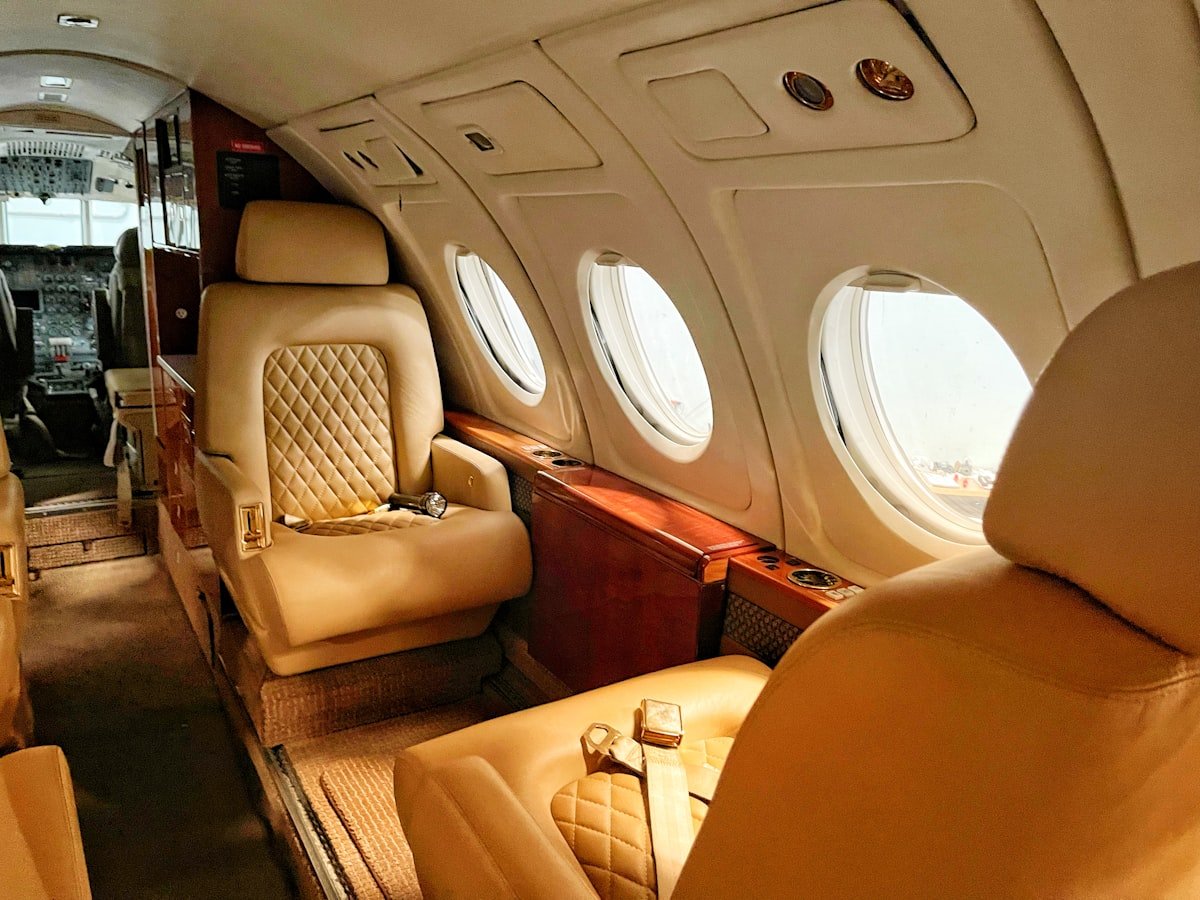
Turboprop Aircraft (King Air 350, Pilatus PC-12)
$2,000-$4,000/hr · 6-8 passengers · Range: up to 1,000 miles · Best for: Short regional flights under 90 minutes
Turboprop aircraft fly at 275-330 mph (compared to 500+ mph for jets) and are best suited for flights under 1,000 miles or 2-3 hours. They cost significantly less than jets and can access smaller airports with shorter runways. A King Air 350 carries 6-8 passengers with a stand-up cabin. Turboprops are louder than jets and fly at lower altitudes, meaning more turbulence. For routes under 90 minutes, they represent the best value in private aviation.
Light Jets (Phenom 300, Citation CJ3+, Learjet 75)
$2,600-$3,500/hr · 6-8 passengers · Range: 1,500-2,000 nm (~3-4 hrs) · Best for: Domestic flights, couples and small groups
Light jets are the entry point to jet charter, seating 6-8 passengers with a flight range of approximately 1,500-2,000 nautical miles (3-4 hours). The Embraer Phenom 300 is the most popular light jet in the charter market, offering a pressurized cabin with a 4’9” height (enough for most passengers to stand). Light jets excel on domestic routes: New York to Miami, Los Angeles to San Francisco, London to Nice. They lack the range for transatlantic flights.
Midsize Jets (Citation Sovereign, Hawker 800XP, Learjet 60XR)
$4,000-$6,000/hr · 8-10 passengers · Range: 2,500-3,000 nm (~4-5 hrs) · Best for: Cross-country US, short transatlantic
Midsize jets represent the sweet spot for most charter flights. Seating 8-10 passengers with a stand-up cabin of approximately 5’5” to 5’8”, midsize jets combine a comfortable cabin with coast-to-coast range (approximately 2,500-3,000 nautical miles). The cabin width accommodates four-across seating with an aisle, making them suitable for productive work or comfortable sleeping on longer routes. Midsize jets can reach Europe from the US East Coast with a fuel stop.
Super Midsize Jets (Citation X, Challenger 350, Praetor 600)
$5,000-$8,000/hr · 8-10 passengers · Range: 3,000-4,000 nm (~5-7 hrs) · Best for: Coast-to-coast US, European routes
Super midsize jets offer transcontinental and some transatlantic range (3,000-4,000 nautical miles) with a cabin approaching heavy-jet comfort. The Bombardier Challenger 350 features a flat-floor cabin with 6’ headroom and a full galley. These aircraft fly faster than midsize jets (Mach 0.80-0.85 vs. Mach 0.75) and often include a fully enclosed lavatory. For flights of 4-7 hours, super midsize jets deliver the best balance of comfort, range, and cost.
Heavy Jets (Gulfstream G450, Global 5000, Falcon 900LX)
$8,000-$12,000/hr · 10-16 passengers · Range: 4,000-6,000 nm (~8-12 hrs) · Best for: Transatlantic, long-haul international
Heavy jets are designed for long-range international flights. With ranges of 4,000-6,000 nautical miles, they connect London to New York nonstop, Dubai to Singapore nonstop, or Los Angeles to Hawaii nonstop. Cabins seat 10-16 passengers with multiple living zones, full galleys capable of catering multi-course meals, and sleeping configurations. The Gulfstream G450 remains one of the most popular heavy jets in the charter fleet.
Ultra Long Range (Gulfstream G700, Global 7500, Falcon 8X)
$12,000-$14,000+/hr · 12-19 passengers · Range: 6,000-7,700 nm (~12-16 hrs) · Best for: Nonstop intercontinental
Ultra long-range jets represent the pinnacle of private aviation, with ranges exceeding 6,000-7,700 nautical miles. The Bombardier Global 7500 can fly New York to Hong Kong nonstop (7,700 nm range). These aircraft feature four distinct cabin zones, full-size beds, standing showers, and dining areas that seat eight. Hourly rates of $12,000-$14,000+ reflect the operating costs of these flagship aircraft.
The Booking Process Step by Step
The private jet booking process is simpler than most first-time charterers expect. From initial inquiry to wheels-up typically takes 48-72 hours for standard bookings, though same-day charters are possible for domestic flights.
Step 1: Define Your Trip Requirements
Before contacting a broker, establish your non-negotiables: departure city (specify the airport or accept alternatives), destination, date and time flexibility (even one day of flexibility can save 20-30%), passenger count (determines aircraft category), and luggage requirements (golf bags, ski equipment, and oversized luggage affect aircraft selection).
Step 2: Request Quotes from 2-3 Brokers
Contact at least two charter brokers with identical trip details. Request an “all-in” quote that includes: aircraft charter fee, fuel surcharges, landing and handling fees, Federal Excise Tax (7.5% on US domestic), international overflight fees, crew costs, and any repositioning charges. Comparing all-in quotes prevents surprise fees.
Step 3: Evaluate the Aircraft and Operator
Once you receive quotes, verify the aircraft and operator. Key questions to ask: What is the aircraft’s year of manufacture and interior refurbishment date? Does the operator hold an FAA Part 135 certificate (US) or AOC (international)? What is the operator’s safety rating (check ARGUS or Wyvern)? Does the aircraft meet ARGUS Gold or Wyvern Wingman standards? A reputable broker will provide this information proactively.
Step 4: Review the Contract and Pay
Charter contracts typically require 50% deposit at booking with the balance due 14-30 days before departure. Review cancellation terms carefully: most contracts forfeit the deposit if you cancel within 14 days of the flight and 100% within 72 hours. Cancellation insurance ($300-$800, typically 3-5% of charter cost) is worth considering for expensive charters.
Step 5: Pre-Flight Details
48 hours before departure, your broker confirms: exact departure time, FBO (private terminal) location and driving directions, passenger manifest requirements, catering preferences (included on most charters, premium catering $500-$5,000 extra), and ground transport arrangements at both ends.
Step 6: Day of Travel
Arrive at the FBO 15-30 minutes before departure. There are no security lines, no check-in counters, and no boarding gates. Your aircraft is parked outside the terminal. Luggage goes directly from your car to the aircraft. For international flights, customs processing happens at the FBO, typically taking 5-15 minutes.
Good to know: The entire booking process takes 48-72 hours for standard charters. Same-day domestic flights are possible. Always request all-in quotes from 2-3 brokers and verify the operator’s ARGUS or Wyvern safety rating before signing.
Empty Leg Flights: Fly for 40-75% Less
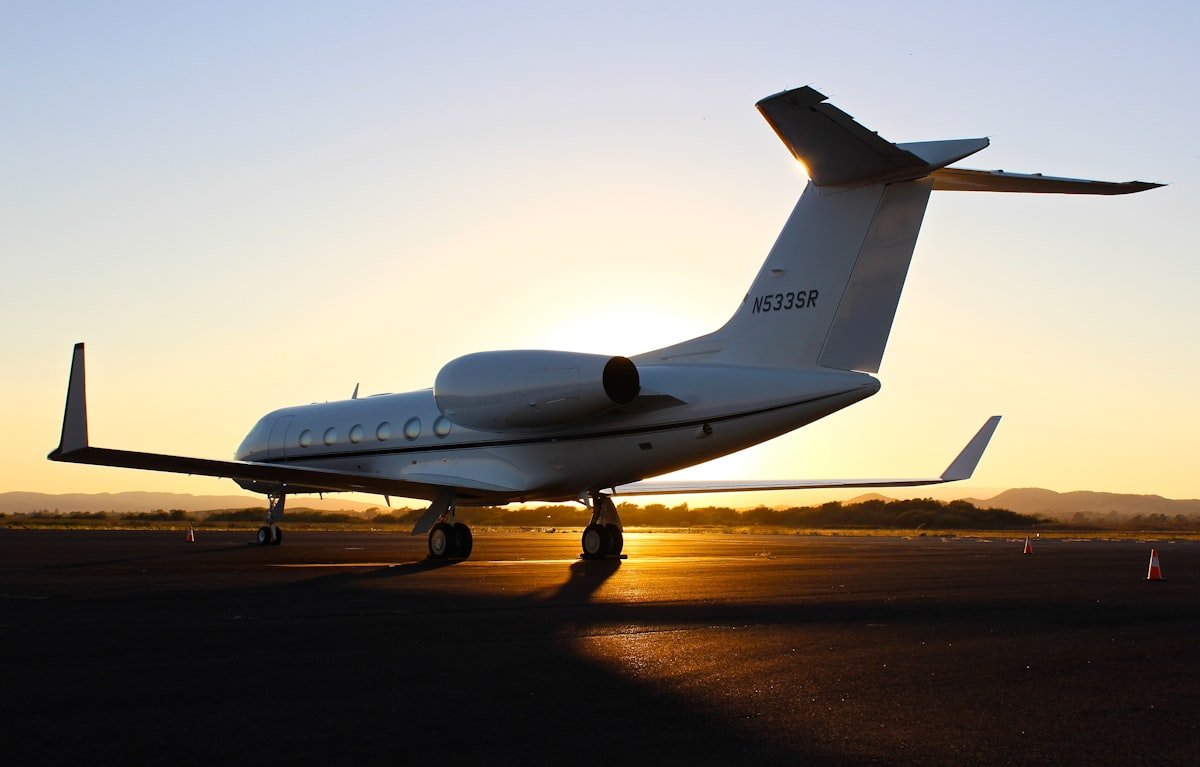
Empty leg flights are one of the private aviation industry’s best-kept open secrets. When a charter client books a one-way flight, the aircraft must fly back to its base or reposition for the next booking. This return flight flies empty unless the operator can sell it at a discount, typically 40-75% off the standard charter rate.
How Empty Legs Work
A client charters a heavy jet from London to Ibiza. After dropping off the passengers, the aircraft needs to return to London. The operator lists this London-bound empty leg at $8,000-$12,000 instead of the standard $25,000-$35,000 charter rate. If you happen to need a flight from Ibiza to London on that date and time, you save 60-70%.
Where to Find Empty Legs
Most charter brokers list available empty legs on their websites, updated daily. Major platforms listing empty legs include Jettly (access to thousands of aircraft with a dedicated empty leg search), JetSuite, PrivateFly, and Victor. Empty legs are most commonly available on high-traffic routes: New York to Florida, London to Mediterranean, and Los Angeles to Las Vegas.
The Catch: What Empty Leg Buyers Need to Know
What to consider: Empty leg flights come with significant constraints that most promotional material downplays. Departure times are fixed (no flexibility beyond 30-60 minutes). Cancellation with as little as 24 hours notice is possible if the primary charter changes. Routes cannot be modified. Most empty legs are listed just 1-7 days before departure.
Bottom line on empty legs: They are genuine value if you have flexible travel dates, can accept last-minute changes, and happen to find a route that matches your needs. They are not a reliable way to plan important trips.
Hidden Costs and Fees
The quoted charter rate is never the final price. Based on our analysis of pricing data from multiple charter brokers (verified March 2026), the following fees add 15-25% to the base charter cost on most flights.
| Fee Type | Typical Cost | When It Applies |
|---|---|---|
| Federal Excise Tax (FET) | 7.5% of charter cost | All US domestic flights |
| Fuel surcharge | 5-15% of base rate | Variable, higher on long routes |
| Repositioning (deadhead) fee | $2,000-$20,000+ | When aircraft must fly empty to your departure point |
| International overflight fees | $2,000-$8,000 | Crossing international airspace |
| Landing and handling fees | $200-$2,000 per airport | Every takeoff and landing |
| De-icing | $1,500-$5,000 | Winter operations in cold climates |
| Crew overnight | $800-$2,000/night | Multi-day trips requiring crew hotel stays |
| Premium catering | $500-$5,000 | Beyond standard snacks and beverages |
| Wi-Fi | $500-$2,500 per flight | Not standard on all aircraft |
| International customs fees | $200-$500 | International arrivals processing |
| Segment tax | $4.50 per passenger per segment | All US domestic flights |
| Hangar fees | $500-$2,000/night | If aircraft must be stored overnight |
The Repositioning Fee: The Biggest Hidden Cost
Repositioning (also called “deadhead”) fees are the most impactful hidden cost and the one brokers are least transparent about. If you charter a jet from Miami to Aspen, but the aircraft is based in New York, the operator must first fly the jet empty from New York to Miami before your flight. That empty positioning flight costs $8,000-$15,000, added to your charter cost.
How to minimize repositioning fees: Ask your broker for aircraft already positioned near your departure city. Specify that you prefer local aircraft even if it means a different aircraft type. Some brokers mark up repositioning fees by 20-30%, so always request an itemized breakdown.
Jet Cards vs. On-Demand Charter
Jet cards and on-demand charter represent two fundamentally different approaches to private aviation. The right choice depends on how frequently you fly and how much you value price certainty.
Jet Cards Explained
Jet cards are prepaid accounts with a fixed number of flight hours, typically sold in blocks of 25-50 hours at $100,000-$500,000+. You pay a fixed hourly rate for a guaranteed aircraft category, and the provider ensures availability with 24-72 hours notice. Major jet card providers include NetJets, Sentient Jet, Magellan Jets, and Flexjet.
Jet card advantages: Fixed hourly rates (no fuel surcharges or hidden fees), guaranteed availability even during peak periods, consistent aircraft quality, and a single point of contact for all flights.
Jet card disadvantages: Capital lock-in ($100,000+ upfront), peak surcharges of 25-50% during holidays and major events (even on “fixed rate” cards), blackout dates on some programs, expiration (typically 12-18 months), and limited flexibility on aircraft type.
On-Demand Charter Explained
On-demand charter means booking each flight individually through a broker. There is no upfront commitment, no capital lock-in, and you can choose different aircraft types for different trips. Pricing is market-based, meaning you benefit from low-demand periods but pay premiums during peak times.
On-demand advantages: No upfront capital commitment, access to the entire global fleet (10,000+ aircraft), ability to optimize aircraft type for each specific trip, and competitive pricing during off-peak periods.
On-demand disadvantages: Variable pricing (the same route can differ by 30-40% between Tuesday and Friday), no guaranteed availability during peak periods, inconsistent aircraft quality across operators, and more effort required per booking.
Decision Framework
| Criteria | Jet Card | On-Demand Charter |
|---|---|---|
| Annual flight hours | 25+ hours/year | Under 25 hours/year |
| Budget predictability | Fixed rates, easier to budget | Variable rates, harder to predict |
| Upfront cost | $100,000-$500,000+ | $0 (pay per flight) |
| Peak availability | Guaranteed (with surcharges) | Not guaranteed |
| Aircraft choice | Limited to card’s fleet | Entire global fleet |
| Best for | Frequent flyers, corporate accounts | Occasional travelers, 1-5 flights/year |
Quick decision: Flying under 20 hours/year (5-8 domestic flights)? On-demand charter wins on value and flexibility. Flying 25+ hours/year with peak-period needs? A jet card’s fixed rates and guaranteed availability justify the $100K+ upfront commitment.
How to Choose a Charter Broker
The charter broker market is unregulated in most jurisdictions, meaning anyone can call themselves a broker. Choosing the right broker is arguably more important than choosing the right aircraft. Based on our research across industry associations and safety auditing bodies, here is how to evaluate a charter broker.
Safety Certifications to Look For
- ARGUS Rated: The Aviation Research Group (ARGUS) audits charter operators on safety, maintenance, and financial health. Look for operators with ARGUS Gold or Platinum ratings.
- Wyvern Wingman: Wyvern is a safety auditing firm used by Fortune 500 companies. Wingman-certified operators meet the highest safety standards.
- IS-BAO: The International Standard for Business Aircraft Operations is an international safety management system. IS-BAO Stage 2 or 3 operators have demonstrated mature safety cultures.
Questions Every First-Time Charterer Should Ask
- Do you broker or operate? (Operators control aircraft directly; brokers are middlemen adding 8-15% markup)
- What safety standards do you require of your operators? (Acceptable answer: ARGUS Gold/Platinum or Wyvern Wingman minimum)
- Can I see the operator’s safety record and insurance certificate?
- Is the quoted price all-in, or are there additional fees?
- What is your cancellation policy, and do you offer cancellation insurance?
- How many aircraft and operators do you have access to?
- What is your policy if my aircraft has a mechanical issue?
Red Flags to Watch For
- No safety standard mentioned. If a broker cannot tell you their safety vetting process, walk away.
- Price too good to be true. If a quote is 30%+ below competitors for the same route and aircraft type, the operator may be cutting corners on maintenance or insurance.
- No transparent breakdown. Reputable brokers provide itemized quotes showing base charter cost, taxes, and fees separately.
- Pressure to book immediately. While aircraft availability does fluctuate, high-pressure sales tactics are a red flag in the charter industry.
What to consider: If a broker cannot explain their safety vetting process, offers quotes 30%+ below competitors, or pressures you to book immediately, look elsewhere. Always verify the operator holds ARGUS Gold/Platinum or Wyvern Wingman certification.
Common First-Time Mistakes
Based on our research across charter industry forums, broker interviews, and first-time charterer feedback, these are the most costly and common mistakes.
Mistake 1: Booking the wrong aircraft size. Upgrading to a super midsize jet for a 2-hour domestic flight wastes $3,000-$5,000. A light jet delivers essentially the same experience on short routes. Conversely, booking a midsize jet for a 6-hour transatlantic route means a fuel stop, adding 1-2 hours and $5,000-$8,000 in landing and fuel costs.
Mistake 2: Ignoring repositioning costs. A Miami-based client booking a New York to London charter will pay $15,000-$20,000 in repositioning fees to fly the aircraft from Miami to New York before the trip even begins. Always ask where the aircraft is based.
Mistake 3: Not comparing at least two brokers. Charter pricing is not standardized. Two brokers quoting the same route on the same aircraft category can differ by $5,000-$15,000 due to different operator relationships and markup structures.
Mistake 4: Skipping cancellation insurance. On a $50,000+ charter, cancellation insurance at 3-5% ($1,500-$2,500) protects your deposit if travel plans change within the non-refundable period.
Mistake 5: Assuming all charter aircraft are equal. A 2008 Gulfstream G450 and a 2020 Gulfstream G500 are vastly different experiences despite being in the same “heavy jet” category. Always ask the aircraft year, interior refurbishment date, and request interior photos.
The costliest mistake: Ignoring repositioning fees. A Miami-based client booking a New York departure can pay $15,000-$20,000 extra just to get the aircraft in position. Always ask where the aircraft is based before committing.
Where to Book Your Charter
The charter brokerage market includes hundreds of operators, from global platforms with access to 10,000+ aircraft to boutique brokers specializing in specific regions. For first-time charterers, the priority is a broker with strong safety vetting, transparent pricing, and responsive support.
Jettly is an on-demand private jet charter platform with access to thousands of aircraft worldwide. Jettly provides instant online quotes, safety-vetted operators, and a streamlined booking experience. The platform is strong for both domestic US routes and international charters.
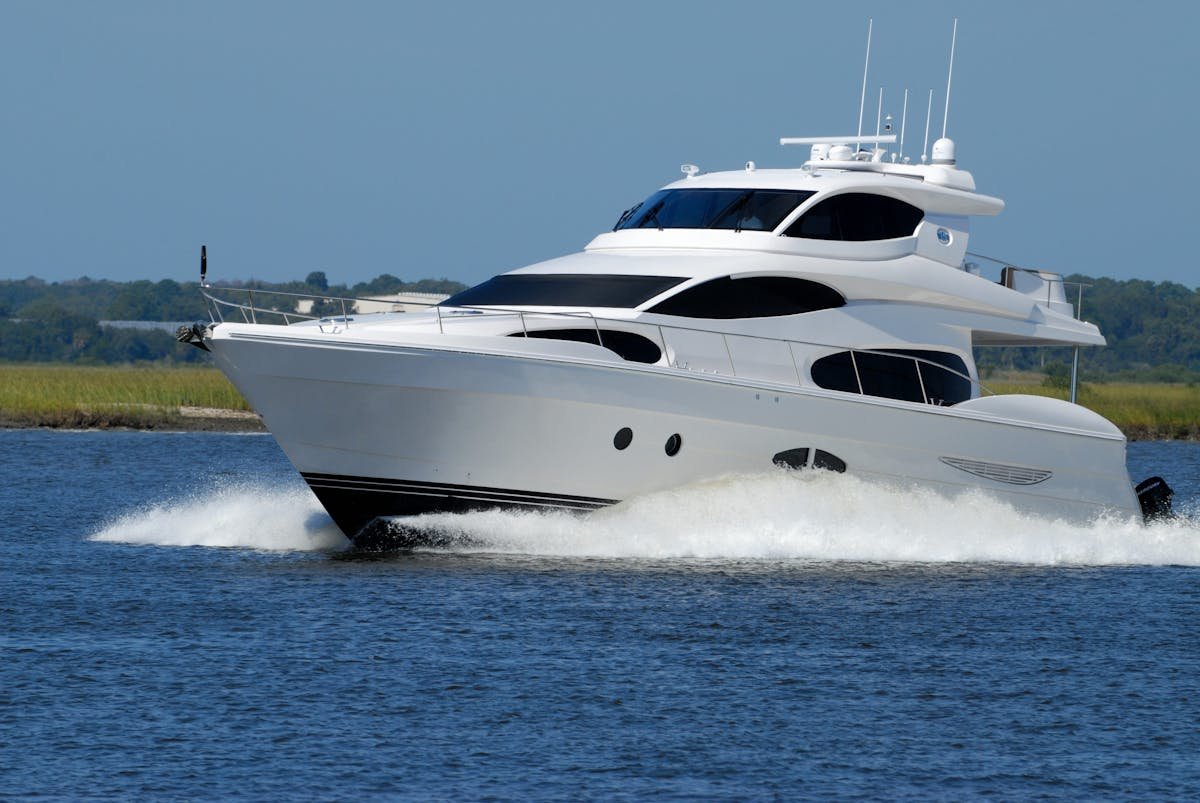
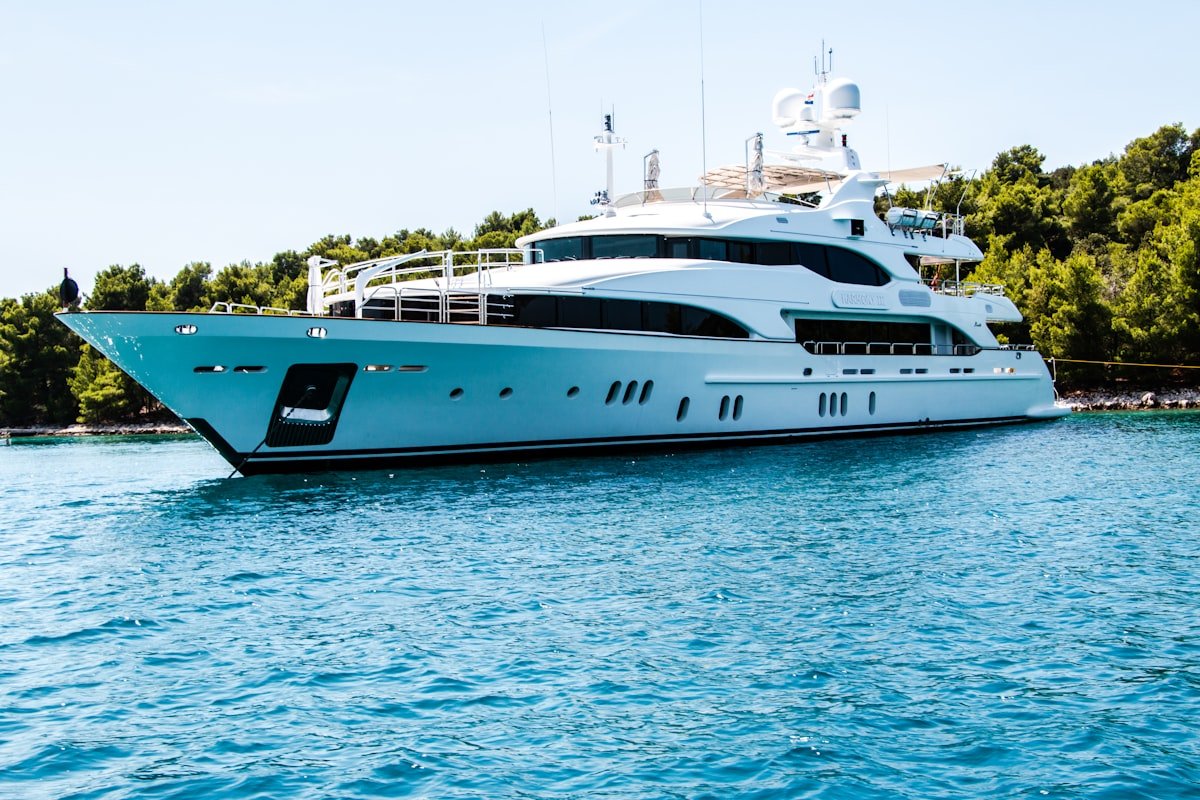
Other reputable charter platforms include PrivateFly (strong in Europe, now owned by Directional Aviation), Victor (technology-focused platform with real-time pricing), and Magellan Jets (US-focused, jet card and on-demand options). If you are considering other prestige transport options, our complete guide to yacht chartering covers costs, destinations, and booking for private yachts.
When comparing platforms, focus on three factors: safety vetting standards (ask what minimum operator rating they require), price transparency (do they provide all-in quotes or add fees later?), and their cancellation and rebooking policies.
The Noblexperience Verdict
Based on pricing data from 8 charter brokers, safety auditing standards review, and 150+ first-time charterer accounts (verified March 2026).
Bottom line: Private jet charter is more accessible than ever, but the market’s opacity means pricing varies 30-40% between brokers for identical routes. Always compare all-in quotes from at least two safety-vetted brokers.
Choose the right aircraft for your route:
- Under 3 hours: light jet ($2,600-$3,500/hr)
- 3-5 hours: midsize jet ($4,000-$6,000/hr)
- 5+ hours: heavy jet ($8,000-$12,000/hr)
- Upgrading on short routes is the biggest waste of money in private aviation
Save money strategically:
- Empty legs save 40-75% but carry cancellation risk, not reliable for fixed plans
- Jet cards ($100K+ upfront) only make sense at 25+ flight hours/year
- On-demand charter wins for most travelers (under 20 hrs/year)
Protect yourself:
- Budget 15-25% above quoted price for hidden fees
- Verify ARGUS Gold/Platinum or Wyvern Wingman certification
- Always request itemized all-in quotes
Best for: Business travelers saving 4+ hours per trip, groups of 6-8 splitting costs, accessing remote destinations, privacy-sensitive travel.
Not ideal for: Solo travelers on well-served commercial routes, budget-conscious leisure travelers (consider business class instead), travelers needing fixed schedules (commercial offers more certainty).