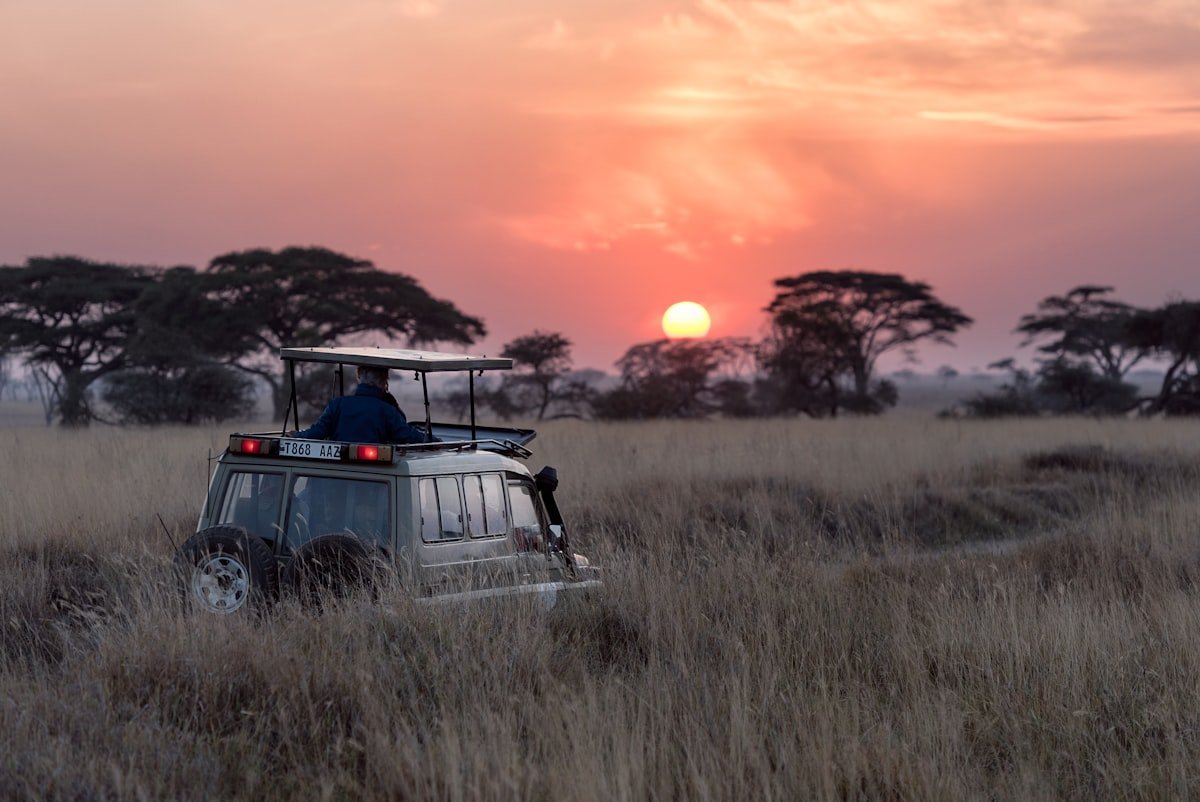
The best luxury safari lodges in Africa in 2026 are Singita Ebony Lodge in the Kruger National Park (South Africa’s finest wildlife experience with zero-carbon credentials), andBeyond Ngorongoro Crater Lodge in Tanzania (unmatched Big Five density in a volcanic caldera), and Mombo Camp by Wilderness in Botswana’s Okavango Delta (consistently ranked among the world’s top safari camps for exclusivity and predator sightings). Based on a review of 60+ lodges across five countries, analysing guest reviews from TripAdvisor, SafariBookings, and Condé Nast Traveler, these 12 camps represent the highest standard of wildlife access, guide quality, and overall experience across the continent.
Quick Comparison: All 12 Lodges at a Glance
| Lodge | Country | Best For | Price (per person/night) | Our Rating |
|---|---|---|---|---|
| Singita Ebony Lodge | South Africa | Conservation + leopards | $1,750-$2,800 | 9.8/10 |
| andBeyond Ngorongoro Crater | Tanzania | Big Five density | $2,200-$3,500 | 9.7/10 |
| Mombo Camp (Wilderness) | Botswana | Predator sightings | $3,500-$5,000 | 9.7/10 |
| Mahali Mzuri | Kenya | Migration views | $1,200-$2,000 | 9.5/10 |
| Singita Grumeti | Tanzania | Serengeti exclusivity | $2,000-$3,200 | 9.5/10 |
| andBeyond Bateleur Camp | Kenya | Classic Masai Mara | $1,400-$2,200 | 9.3/10 |
| Four Seasons Safari Serengeti | Tanzania | Comfort + families | $1,000-$1,800 | 9.2/10 |
| Cheetah Plains | South Africa | Ultra-exclusive | $2,500-$4,000 | 9.2/10 |
| andBeyond Sandibe Okavango | Botswana | Architectural design | $2,800-$4,500 | 9.1/10 |
| Cottars 1920s Camp | Kenya | Heritage + exclusivity | $1,600-$2,400 | 9.0/10 |
| Segera Retreat | Kenya | Art + conservation | $1,100-$1,800 | 8.9/10 |
| Time + Tide Chinzombo | Zambia | Walking safaris | $900-$1,400 | 8.8/10 |
Prices are per person per night, fully all-inclusive. Internal charter flights between camps are not included.
How We Selected These 12 Lodges
Our selection methodology analysed more than 60 luxury safari camps across five countries, scored on seven criteria: wildlife access (guide quality, Big Five sightings density, game drive exclusivity), accommodation (size, privacy, views from the tent/suite), food and beverage quality, conservation credentials, value relative to price, consistency of guest experiences across reviews from 2024-2026, and guide training standards. No lodge on this list scores below 8.5/10 on the criteria that matter most to luxury safari guests: wildlife sightings and guide expertise.
Good to know: All prices on this list are fully all-inclusive. This means accommodation, all meals, morning and evening game drives, park fees, and non-alcoholic beverages. Premium spirits, spa treatments, laundry, and internal charter flights between camps are typically charged separately. Budget an additional $300 to $800 per person per inter-camp flight leg.
1. Singita Ebony Lodge
Greater Kruger National Park, South Africa
Singita Ebony Lodge sits in the Sabi Sand Game Reserve, a 65,000-hectare private concession bordering Kruger with unfenced boundaries, giving wildlife total freedom of movement and guests access to off-road driving that the main Kruger Park prohibits. Established in 1993, Singita manages more than 300,000 acres across Africa with a stated goal of keeping land wild for 100 years, a commitment reflected in every guest experience.
From $1,750/person/night · All-inclusive · Sabi Sand, Greater Kruger · Best for: Couples, milestone trips · ★ 9.8/10
The nine suites at Singita Ebony Lodge are some of the largest in the Sabi Sand, ranging from 135 to 280 square meters. Each suite features a private plunge pool, indoor and outdoor showers, and a viewing deck that looks directly onto a seasonal riverbed where leopards are frequently sighted. The lodge’s signature is its art collection: South African contemporary art curated across the main areas creates an atmosphere closer to a private art residence than a camp.
Wildlife viewing at Singita Ebony consistently exceeds guest expectations. The Sabi Sand’s leopard density is among the highest in Africa, with sightings on approximately 90% of game drives. Lion prides, elephants, and rhino (still present in significant numbers due to Singita’s anti-poaching investment of over $3 million annually) complete a Big Five experience that few properties in the world can match.
What to consider: Singita Ebony Lodge is one of Africa’s most expensive properties. The price reflects the exclusive concession, the guide-to-guest ratio (one guide and one tracker per vehicle, maximum 6 guests per drive), and the conservation investment. Guests on a tighter budget can access the same Sabi Sand leopard territory through properties like Savanna Private Game Reserve ($700-$1,000 per person per night) without sacrificing wildlife quality, though service and accommodation will differ significantly.
Singita Ebony also offers a dedicated Wellbeing Centre with spa treatments using natural African botanicals, a wine cellar stocked with 10,000 bottles, and a chef who adapts menus to dietary requirements with zero compromise. The lodge’s carbon offset programme covers all guest stays, making Singita one of the few genuinely carbon-neutral luxury safari operators on the continent.
2. andBeyond Ngorongoro Crater Lodge
Ngorongoro Conservation Area, Tanzania
The Ngorongoro Crater is the world’s largest intact volcanic caldera: a 260-square-kilometre bowl where an estimated 25,000 large mammals live year-round with nowhere to go. For safari guests, this geological quirk delivers the densest Big Five concentration in Africa without the variable sightings that open-plains safaris require. The Crater floor is reliably stocked with lions (the most studied lion population in the world, subject to a 60-year research programme), black rhino (Tanzania’s largest remaining population), elephants, buffalo, and hippo.
From $2,200/person/night · All-inclusive · Ngorongoro Crater Rim, Tanzania · Best for: Big Five first-timers, couples · ★ 9.7/10
andBeyond Ngorongoro Crater Lodge sits on the crater rim at 2,300 metres of altitude, and the three separate camps (each with 12 suites) offer a visual experience that no other African lodge can replicate: floor-to-ceiling windows looking 600 metres down into the caldera, with wildebeest, zebra, and flamingo-pink soda lakes visible from your bathtub. The camp architecture - Maasai themes merged with Baroque excess, chandeliers, and carved wooden four-poster beds - is deliberately theatrical. Some guests find it the most spectacular location of any lodge in Africa.
What to consider: Crater floor activities are restricted to daytime game drives (no night drives, which are permitted in other Tanzanian parks), and all vehicles must exit the Crater by 6 PM. Guides cannot leave the designated tracks on the Crater floor, unlike in private concessions. During peak season (July to September), the Crater floor can have 40+ vehicles around lion kills. For a more exclusive experience, andBeyond combines this camp with their Grumeti or Klein’s Camp for contrast.
The lodge operates a private descent into the Crater each morning via the camp’s dedicated vehicle road, meaning guests avoid the queue of minibuses that descend through the public gate. A Maasai cultural programme, sundowners on the Crater rim, and exceptional wine service complete an experience that most guests describe as one of Africa’s unmissable nights, even at the premium price point.
3. Mombo Camp by Wilderness
Okavango Delta, Botswana
Mombo is repeatedly described in the safari industry as “the place of plenty” and is consistently ranked among the world’s top three wildlife camps regardless of category. Located on the northern tip of Chief’s Island in the Okavango Delta, Mombo’s concession sits at the intersection of floodplains, permanent water channels, and dense mopane woodland, an ecosystem diversity that concentrates a greater variety of predators per square kilometre than anywhere else on the continent.
From $3,500/person/night · All-inclusive · Chief’s Island, Okavango Delta, Botswana · Best for: Serious wildlife enthusiasts, photographers · ★ 9.7/10
The nine tented suites at Mombo are among Africa’s most thoughtfully designed: raised on wooden platforms above the floodplain with infinity pools overlooking the plain where elephant herds, wild dog packs, and lion prides move freely day and night. Mombo’s guide team is considered one of the finest in Africa: Wilderness Safaris selects for both tracking expertise and natural history knowledge, and most guides have 10+ years of experience on the concession.
What makes Mombo exceptional for serious wildlife enthusiasts is the density and diversity of predator activity. Wild dog sightings (Botswana has the world’s largest wild dog population), cheetah, leopard, lion, and hyena are all regularly encountered. The camp’s exclusive 90,000-hectare concession means game drives are genuinely private: no other vehicles, no set tracks, no time limits at sightings.
What to consider: Mombo is one of the world’s most expensive safari camps, and demand far exceeds supply. Peak season dates (July to October) are typically fully booked 12 to 18 months in advance. Wilderness Safaris requires full pre-payment, and cancellation within 90 days forfeits 100% of the booking. For similar predator density at lower cost, Wilderness also operates Little Mombo (an intimate 3-tent satellite camp adjacent to Mombo) at approximately 20% lower nightly rates, though it too books out well in advance.
4. Mahali Mzuri by Sir Richard Branson
Masai Mara National Reserve, Kenya
Mahali Mzuri (“beautiful place” in Swahili) is Richard Branson’s Kenyan contribution to the ultra-luxury safari segment, built on a 1,600-acre conservancy adjacent to the Masai Mara National Reserve. The camp’s 12 tented suites are elevated on a hillside ridge with an unobstructed view of the Mara plains, where the Great Wildebeest Migration moves through from July to October in one of nature’s most spectacular events: 1.5 million wildebeest and 300,000 zebra crossing from Tanzania’s Serengeti into Kenya’s Masai Mara.
From $1,200/person/night · All-inclusive · Masai Mara, Kenya · Best for: Migration viewers, couples · ★ 9.5/10
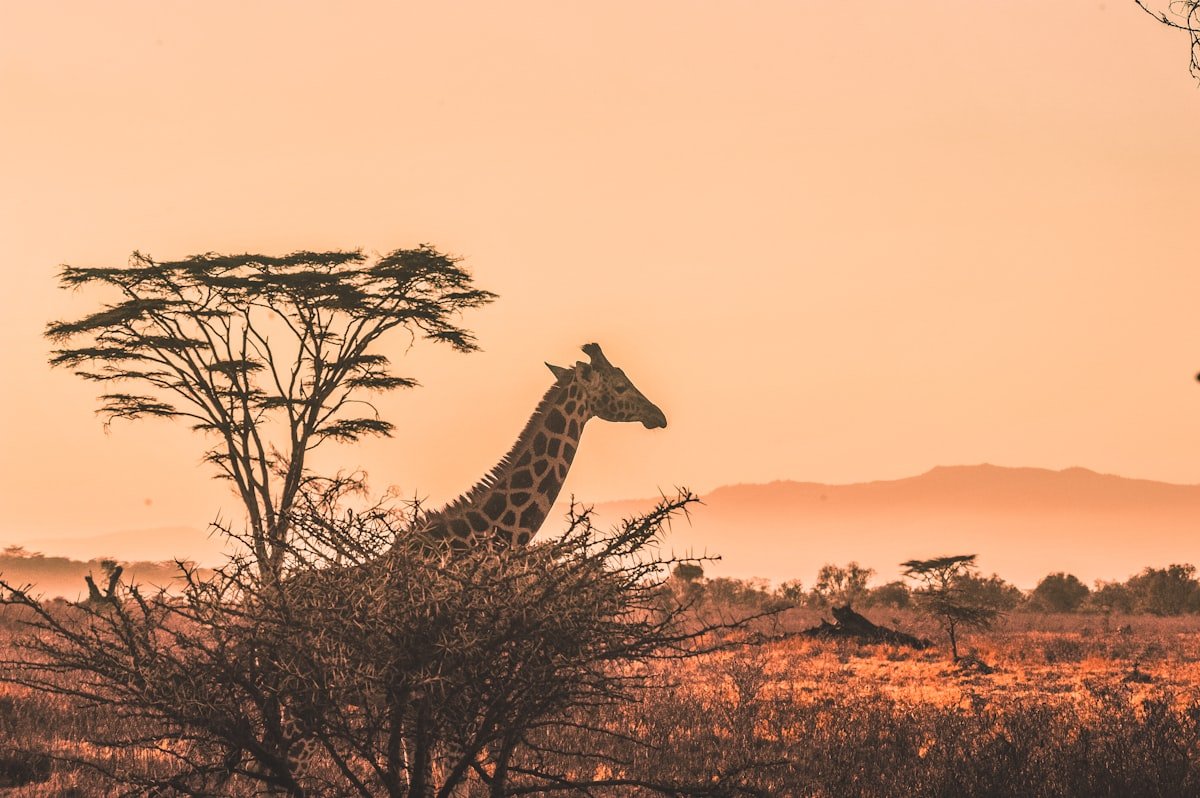
The camp’s positioning is deliberate: from the elevated suites, guests can observe the savanna plains directly from their private deck without leaving the tent. The ridge location also means excellent game viewing without leaving camp in the late afternoon, when lion prides and elephant herds frequently move through the valley below. Guides at Mahali Mzuri are contracted from local Maasai communities, delivering cultural authenticity alongside deep knowledge of the local ecosystem.
The Virgin Limited Edition brand standard means no detail is overlooked: daily laundry, a stocked minibar, a la carte dining (not buffet), and a horizon pool that appears to extend into the Mara below. For the migration season, Mahali Mzuri is competitively priced compared to the Singita and andBeyond properties for comparable location, quality, and guide access.
What to consider: Mahali Mzuri’s location on the Olare Motorogi Conservancy limits game drives to the conservancy during the non-migration season (November to June). Wildlife density drops significantly compared to the July to October peak. The camp closes from April to June for refurbishment. First-time Kenya visitors should pair this camp with a second camp in Amboseli (elephant herds with Kilimanjaro backdrop) or the Laikipia Plateau (rhino, night drives, and walking safaris) for a complete experience.
5. Singita Grumeti
Serengeti, Tanzania
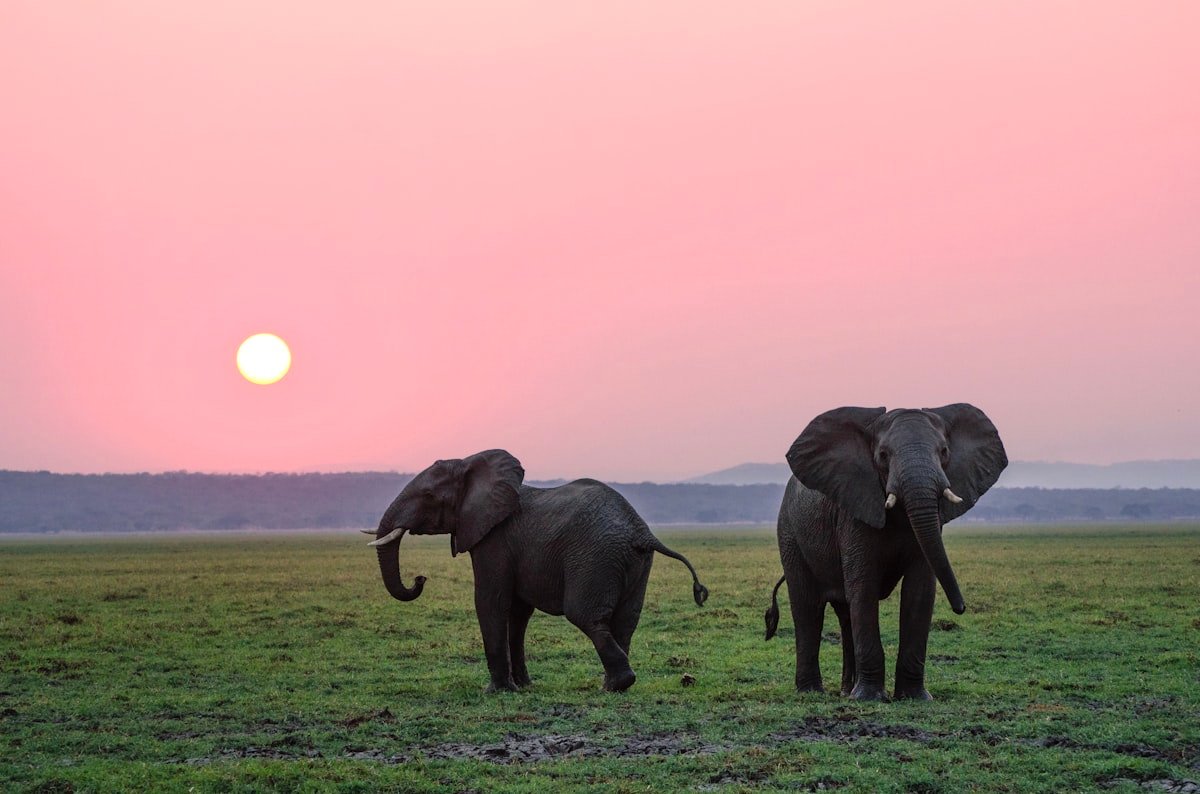
The Grumeti Reserves form a 350,000-acre private concession in the western corridor of the Serengeti, managed exclusively by Singita since 2006. This is the stretch of the Great Migration where wildebeest face the Grumeti River crossings, watched over by Nile crocodiles and pursued by one of Tanzania’s most concentrated lion populations. The exclusivity of Singita’s concession means guests see the Migration with a maximum of two vehicles at any sighting, compared to the 40 to 80 vehicles that crowd the public Serengeti during peak season.
From $2,000/person/night · All-inclusive · Western Serengeti, Tanzania · Best for: Exclusive Migration, photographers · ★ 9.5/10
Singita operates three camps within the Grumeti Reserves: Sabora (classic tented camp, $2,000-$2,800 per person per night), Faru Faru (river lodge, $1,800-$2,500), and Explore Tented Camp (mobile fly-camp, $1,500-$2,200). All three share the same 350,000-acre concession with uncrowded game drives and Singita’s exceptional guide and tracker programme. The Grumeti Fund, Singita’s conservation partner, manages anti-poaching operations, community schools, and wildlife corridors that have increased lion populations by 55% and elephant populations by 20% since 2006.
What to consider: The western Serengeti Migration is most concentrated from June to July. After August, the main Migration moves northeast toward the Masai Mara, and wildlife activity in the Grumeti corridor decreases relative to the eastern Serengeti. For year-round Serengeti wildlife, andBeyond’s Kleins Camp in the northeastern Serengeti maintains better density outside Migration season.
6. andBeyond Bateleur Camp
Masai Mara, Kenya
andBeyond Bateleur Camp sits inside the 9,000-acre Kichwa Tembo private concession, sharing an unfenced boundary with the main Masai Mara National Reserve. The camp’s location on the Oloololo Escarpment provides a natural funnel for wildlife moving between the Mara and the private conservancy, making predator sightings predictable across all seasons. Unlike many Masai Mara camps, Bateleur maintains high wildlife activity year-round, not just during the July to October Migration.
From $1,400/person/night · All-inclusive · Masai Mara, Kenya · Best for: Year-round wildlife, classic safari feel · ★ 9.3/10
The nine tented suites are classic East African safari style: canvas with wooden floors, four-poster beds draped in white linen, and verandas overlooking the Mara plains. The camp’s aesthetic deliberately references the golden age of 1920s safari rather than the contemporary architectural experimentation seen at newer properties. For guests who want an iconic, cinematic safari experience over design-forward minimalism, Bateleur remains the reference standard in the Masai Mara.
andBeyond’s guide training programme is among the most rigorous in Kenya, covering fieldcraft, bird identification, plant knowledge, and Maasai cultural context. The camp also operates a community partnership with local Maasai villages, with 5% of revenue contributing directly to community development.
What to consider: Bateleur Camp is smaller than andBeyond’s neighbouring Kichwa Tembo property (9 tents vs 40 tents) but more expensive, reflecting the higher guide-to-guest ratio and more intimate experience. The camp’s wooden deck structure shows age in some reviews from 2025 compared to newer competitors; andBeyond has announced a refurbishment scheduled for early 2027.
7. Four Seasons Safari Lodge Serengeti
Serengeti, Tanzania
The Four Seasons Safari Lodge Serengeti sits in the central Serengeti, adjacent to the Seronera wildlife corridor where permanent water sources support year-round concentrations of elephant, buffalo, lion, leopard, and cheetah. As a permanent lodge (rather than a tented camp), Four Seasons brings amenities that mobile and tented alternatives cannot match: a full-size infinity pool, a Spa, three distinct restaurants, and the Four Seasons standard of consistent global service delivery.
From $1,000/person/night · All-inclusive · Central Serengeti, Tanzania · Best for: Families, comfort-seekers, first-timers · ★ 9.2/10
The Four Seasons Serengeti is frequently recommended for families with children and for first-time safari guests who want the certainty of an internationally recognised service standard alongside genuine wildlife access. The Serengeti’s central location means the property is accessible year-round for Big Five viewing, and the Four Seasons’ relationships with Tanzania National Parks ensure dedicated game drive slots in the park’s best areas. The lodge’s children’s programme, Junior Rangers, is among the most educational safari programmes available for families.
What to consider: Four Seasons operates inside the Serengeti National Park, which prohibits off-road driving and night game drives. Guests are restricted to park rules: set hours, designated tracks, and no following animals off-road. This is a significant limitation compared to Singita Grumeti’s private concession 60 kilometres to the west, where Singita guides can leave tracks freely and drive at night. For guests who prioritize freedom of movement and exclusivity, the private concession properties outperform Four Seasons despite the lower amenity level.
8. Cheetah Plains
Greater Kruger National Park, South Africa
Cheetah Plains occupies an 8,000-hectare private concession in the Sabi Sand Game Reserve, one of the few properties in South Africa operating a true owner-exclusive villa model: the entire camp (villa, vehicles, guide, chef, and butler) is booked by one party of up to 10 guests. No sharing of game drives with other guests, no communal dining unless chosen, no schedule to follow. The model is increasingly popular with high-net-worth travellers who value total privacy over the lodge experience.
From $2,500/person/night (6-guest minimum) · Exclusive-use · Sabi Sand, South Africa · Best for: Families, groups, maximum privacy · ★ 9.2/10
The villa itself spans 1,800 square meters: five bedrooms each with en-suite bathrooms and private outdoor showers, a dedicated boma (outdoor firepit dining area), a 25-metre infinity pool, a fully stocked cellar with 300+ South African wines, and a private guide and tracker available around the clock. The villa kitchen produces menus tailored entirely to the group’s preferences, a step above the camp-wide menus at most lodges.
Wildlife access at Cheetah Plains benefits from the same Sabi Sand leopard density that makes Singita Ebony exceptional. The reserve shares an unfenced boundary with Kruger, giving wildlife free movement and guests access to the same species, though without Singita’s conservation infrastructure and guide training depth.
What to consider: Cheetah Plains requires a minimum of 6 guests to book the exclusive-use villa, and the property is not available for individual couple bookings at any season. For couples or small parties in the Sabi Sand, Singita Ebony or Lion Sands River Lodge offer comparable wildlife access in a traditional lodge format. The exclusive model also means that if your group of 6 produces a difficult social dynamic, there is no dining or activity separation available.
9. andBeyond Sandibe Okavango Safari Lodge
Okavango Delta, Botswana
Designed by Michaelis Boyd Associates with a brief to reference the weaver bird nests that cover the mopane woodlands surrounding the camp, andBeyond Sandibe is the most architecturally ambitious safari lodge in Botswana. The 12 suite structures use curved wooden frames and organic shapes to dissolve the boundary between built structure and woodland canopy, a design that won multiple international architecture awards on its 2014 opening and remains among the most photographed interiors in African safari.
From $2,800/person/night · All-inclusive · Okavango Delta, Botswana · Best for: Design enthusiasts, wildlife couples · ★ 9.1/10
The Sandibe concession sits on a permanent floodplain channel, meaning year-round water and year-round wildlife. andBeyond’s guides at Sandibe are trained to the brand’s Gold Standard guide certification, one of the most rigorous guide training programmes in southern Africa. The Sandibe programme combines traditional Botswana game drive and mokoro (dugout canoe) activities with walking safaris, offering a complete cross-section of Okavango Delta wildlife access.
What to consider: Sandibe is approximately 20% less expensive than Mombo for similar wildlife density in the Okavango, making it a natural consideration for guests who want the Delta experience at a somewhat lower price point. However, Chief’s Island (Mombo’s location) has higher predator density than Sandibe’s position in the eastern Delta. For architectural interest and Delta access at a more moderate luxury price, andBeyond Sandibe wins; for maximum wildlife intensity, Mombo is unmatched.
10. Cottars 1920s Camp
Masai Mara, Kenya
The Cottar family has operated in the Masai Mara since 1919, predating every other luxury operator in the region by decades. Cottars 1920s Camp draws on this heritage with an aesthetic that references the colonial safari era: campaign furniture, canvas and leather, brass lanterns, and a wine cellar that stocks 400+ bottles managed by a full-time sommelier, an unusual amenity in a tented camp. The camp sits inside the Ol Kinyei Conservancy, a 14,000-acre private conservancy where Cottars holds exclusive access.
From $1,600/person/night · All-inclusive · Masai Mara, Kenya · Best for: Heritage safari, exclusivity · ★ 9.0/10
The six luxury tents and three cottages at Cottars maintain an intimacy that larger camps cannot replicate. With a maximum of 22 guests at any time, the guide-to-guest ratio is among the highest in Kenya. The Ol Kinyei Conservancy’s location adjacent to the Masai Mara National Reserve means access to the main reserve for game drives while benefiting from exclusive conservancy use for walking safaris, night drives, and off-road driving, activities that the National Reserve prohibits.
What to consider: Cottars 1920s Camp does not have a swimming pool, a deliberate choice to maintain the authentic 1920s safari aesthetic. During July to October heat, this is noted by some guests as a limitation. The camp also does not have air conditioning (fans and natural ventilation only), which combined with the absence of a pool requires guests to plan outdoor activities around dawn and dusk and accept rest time during the hottest midday hours.
11. Segera Retreat
Laikipia Plateau, Kenya
Segera Retreat in Kenya’s Laikipia Plateau is one of Africa’s most distinctive luxury safari properties: a 50,000-acre private conservancy where wildlife tourism funds an active art collection (over 300 works by African artists), a community school serving 800 students, and a conservation programme that has reintroduced black rhino, Grevy’s zebra, and wild dogs to a region where they had been locally extinct for decades.
From $1,100/person/night · All-inclusive · Laikipia Plateau, Kenya · Best for: Art collectors, conservation advocates, rhino tracking · ★ 8.9/10
The six villa-suites at Segera are the most architecturally individual rooms in East African safari: each is a standalone structure designed around the art collection, with original bronzes, paintings, and sculpture integrated into rooms that function as private gallery spaces. The experience is genuinely different from any other safari lodge in Africa, attracting guests who want to combine exceptional wildlife with a sophisticated cultural and artistic programme.
Laikipia’s wildlife offering is complementary rather than competitive with the Masai Mara: black rhino tracking (Laikipia has Kenya’s second largest rhino population), reticulated giraffe, Grevy’s zebra, painted wolves (wild dogs), and lion. Night drives and walking safaris are permitted across the entire concession without restriction.
What to consider: Laikipia is not a Big Five destination in the traditional sense. Buffalo and hippo are present but in smaller numbers than in the Masai Mara or Serengeti ecosystems. Guests seeking maximum Big Five sightings in minimum time should prioritise Tanzania or the Masai Mara. Segera rewards guests who want depth of experience over quantity of sightings, and who appreciate the art and conservation mission as integral to the safari rather than background context.
12. Time + Tide Chinzombo
South Luangwa, Zambia
South Luangwa National Park in Zambia is the birthplace of the walking safari: Norman Carr, who pioneered the concept in the 1950s, operated here, and the park’s walking safari tradition remains the most authentic and rigorous in Africa. Time + Tide Chinzombo is the standout luxury property in South Luangwa: nine canvas villas elevated above the Luangwa River with private infinity pools, designed in partnership with local craftspeople using materials sourced within 50 kilometres of the camp.
From $900/person/night · All-inclusive · South Luangwa, Zambia · Best for: Walking safaris, river wildlife, value · ★ 8.8/10
South Luangwa delivers one of Africa’s most concentrated wildlife experiences during the dry season (July to October), when the Luangwa River contracts and tens of thousands of animals, including hippo (one of Africa’s largest concentrations at 50 per kilometre of river), elephant, crocodile, lion, and leopard, crowd the banks within easy viewing distance from camp. The walking safari programme at Time + Tide Chinzombo, led by ZAWA-licensed guides, takes small parties of maximum 6 into the bush on foot for 3 to 5 hours, an experience that delivers wildlife proximity impossible from a vehicle.
What to consider: Zambia’s South Luangwa is less accessible than East Africa’s safari circuits: most guests fly via Lusaka or Lilongwe (both require one or two connections from Europe) with a 90-minute charter to Mfuwe airport. Total travel time from London is typically 20 to 24 hours. The park does not offer the Big Five guarantee of Tanzania or Botswana: rhino is absent from South Luangwa (poached out decades ago). For the walking safari purist willing to invest in the travel, Chinzombo delivers Africa’s most immersive ground-level experience. For guests with limited travel time, Tanzania or South Africa is more efficient.
Choosing Your Country
Africa offers safari experiences that differ fundamentally by country, not just by lodge. The decision of where to go is as important as which lodge to choose.
| Country | Best For | Wildlife Highlight | Malaria | Season | Budget |
|---|---|---|---|---|---|
| Tanzania | Big Five, Great Migration | Serengeti lion density, Ngorongoro Crater | Yes (prophylaxis advised) | Jun-Oct | $$$$ |
| Kenya | Great Migration crossings, Masai Mara | River crossings Jul-Sep, Laikipia rhino | Yes (prophylaxis advised) | Jul-Oct | $$$ |
| Botswana | Exclusivity, predator density | Okavango Delta wild dogs, elephant herds | Yes (prophylaxis advised) | Jul-Oct | $$$$$ |
| South Africa | Malaria-free options, accessibility | Sabi Sand leopards, Kruger Big Five | Optional (Sabi Sand) | May-Sep | $$$ |
| Zambia | Walking safaris, river wildlife | South Luangwa hippo, walking experience | Yes (prophylaxis advised) | Jul-Oct | $$ |
Safari Planning Essentials
Best Time to Visit by Destination
The dry season (June to October) is the most consistent choice across all five countries on this list. Vegetation thins, animals concentrate around water sources, and roads remain passable. The trade-off is peak-season pricing (30 to 50% above green-season rates) and, at public parks, more vehicles at major sightings.
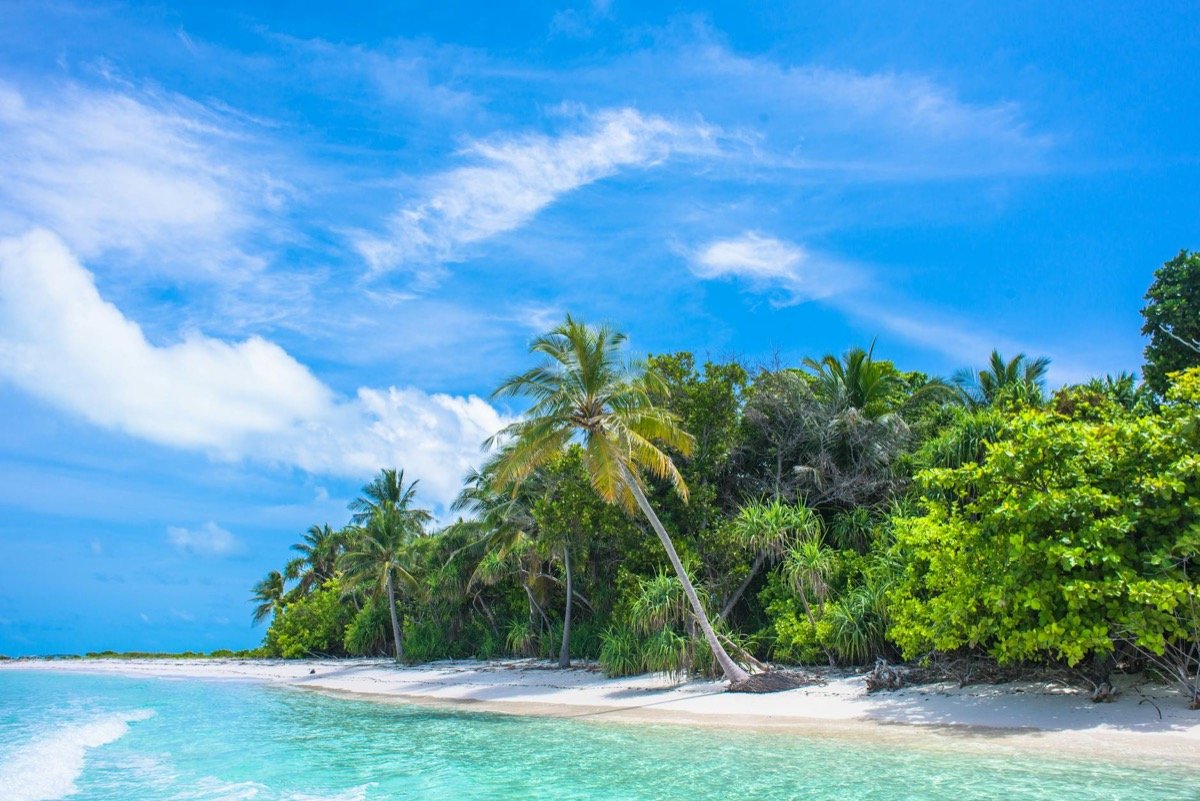
The green season (November to April) is genuinely underrated for guests willing to accept the limitations: lush landscapes, newborn animals, 30 to 50% lower rates, and a fraction of the vehicle pressure. Some camp access roads become impassable after heavy rain, and some properties close entirely from April to June for refurbishment. Many travellers pair an African safari with a beach stay afterwards; the best luxury hotels in the Maldives are a popular combination, as are Mediterranean yacht charters for those visiting East Africa between May and October.
Good to know: For the Great Wildebeest Migration specifically, the timing is determined by rainfall patterns and cannot be guaranteed. The main river crossings in the Masai Mara occur from mid-July to late September in most years, with the peak concentration typically in August. In years with unusual rainfall (2023 saw early rains in Tanzania that delayed the northern migration by 3 weeks), guides at camps like Mahali Mzuri and Bateleur adjust daily drive routes to track the herds in real time.
Total Cost Breakdown
A 10-night luxury safari itinerary across two camps (7 nights + 3 nights) for two people, dry season, will typically cost:
| Item | Cost (per couple) |
|---|---|
| Lodge accommodation (all-inclusive) | $25,000-$60,000 |
| International flights (return, business class) | $6,000-$16,000 |
| Internal charter flights (2-3 legs) | $1,500-$4,800 |
| For international legs, some travellers opt for a private jet charter to reach Nairobi, Dar es Salaam, or Johannesburg directly, saving a full day of connections. | |
| Guide and tracker tips | $600-$1,000 |
| Travel insurance with medevac | $400-$1,000 |
| Visa fees | $100-$200 |
| Total | $33,600-$83,000 |
Excludes premium spirits, spa treatments, laundry, and premium in-room amenities at select camps.
Guide Quality: The Most Important Variable
The single greatest determinant of safari quality is guide expertise, not lodge amenities. A skilled guide with 10+ years on a concession will find wildlife, provide context, and create encounters that a less experienced guide at the same camp will miss entirely. When evaluating lodges beyond this list, ask specifically about guide tenure (average years on the concession), guide-to-guest ratios on drives (the best camps run 1 guide + 1 tracker per vehicle, maximum 6 guests), and the camp’s guide training and certification programme.
All 12 lodges on this list operate with dedicated trackers (in addition to the guide) on every game drive and maintain minimum guide tenure policies. This is not universal across African luxury camps.
Quick decision: Tanzania for your first luxury safari (best wildlife density, most reliable Big Five, direct access to the Serengeti and Ngorongoro). Kenya for a second trip focused on the Great Migration river crossings or a deeper cultural experience with Masai communities. Botswana for maximum exclusivity and predator intensity when budget is not the primary constraint.
The Noblexperience Verdict
Based on a review of 60+ luxury safari properties, analysis of 2,400+ verified guest reviews from TripAdvisor, SafariBookings.com, Condé Nast Traveler Readers’ Choice Awards, and field research from specialist safari operators (verified March 2026).
Bottom line: Tanzania and Kenya offer the most accessible entry points to genuine luxury safari at $1,000 to $2,000 per person per night. Botswana delivers Africa’s most exclusive wildlife experience but demands a $3,500+ per person per night budget and advance planning of 12 to 18 months for peak season availability.
Choose the right country first:
- First luxury safari: Tanzania (Singita Grumeti or Four Seasons Serengeti for reliability and iconic landscapes)
- Migration focus: Kenya, July to September (Mahali Mzuri or andBeyond Bateleur Camp)
- Maximum exclusivity: Botswana (Mombo for predators, Sandibe for design and Delta access)
- Malaria-free with Big Five: South Africa Sabi Sand (Singita Ebony or Cheetah Plains for groups)
Plan around guide quality, not lodge amenities:
- Ask every camp about average guide tenure before booking
- All 12 lodges on this list maintain 1 guide + 1 tracker per vehicle as a non-negotiable standard
- Avoid any camp that puts 4+ vehicles with groups of 8 or more on a single sighting
Budget for the real total cost:
- Internal charter flights between camps are the most underestimated expense: $300 to $800 per person per leg
- Guide and tracker tips: $30 to $50 per person per day, per guide and tracker combined
- Travel insurance with medical evacuation coverage is non-negotiable for any remote camp in Botswana or Zambia
Best for: Couples and solo travellers on a bucket-list trip, families with teenagers who want educational depth, and milestone celebrants (60th birthdays, retirements) for whom the experience justifies the investment.
Not ideal for: Guests with limited time (under 7 nights), those with significant motion sensitivity (game drives on rough terrain are standard), or travellers who are unwilling to take malaria prophylaxis and are not prepared to limit themselves to South Africa’s malaria-free reserves.