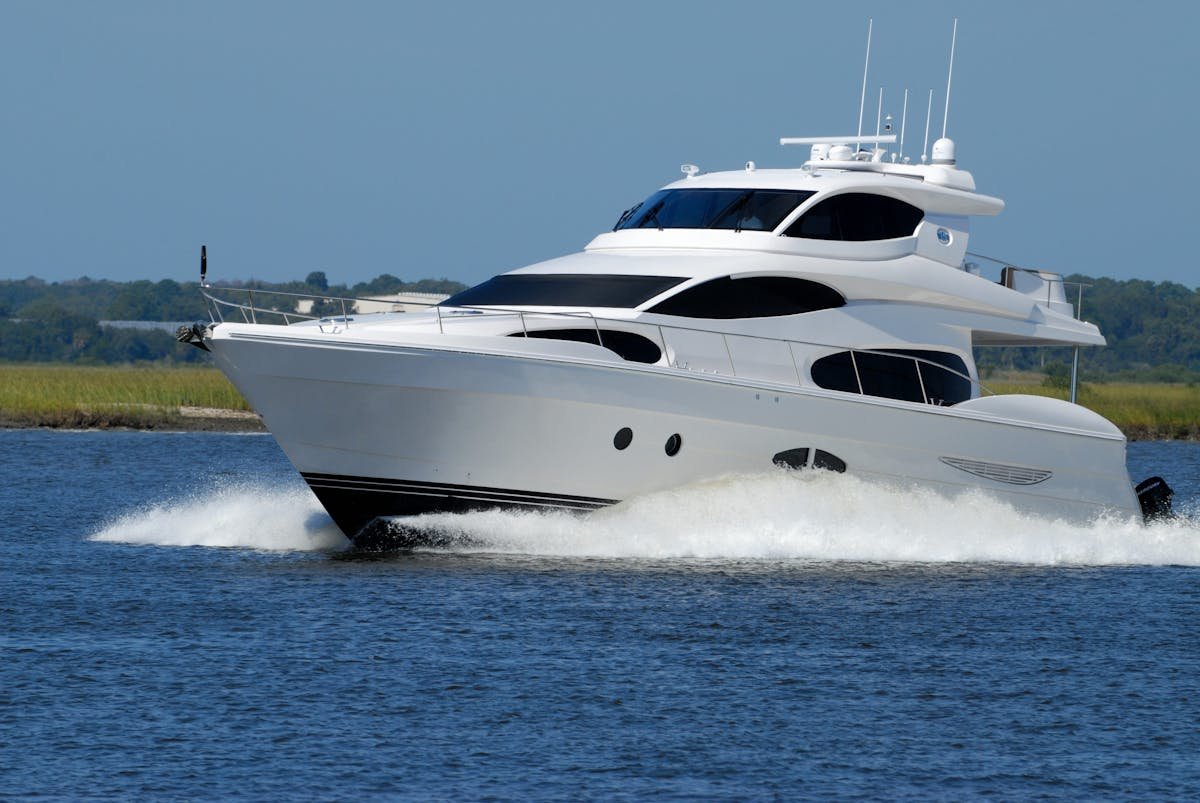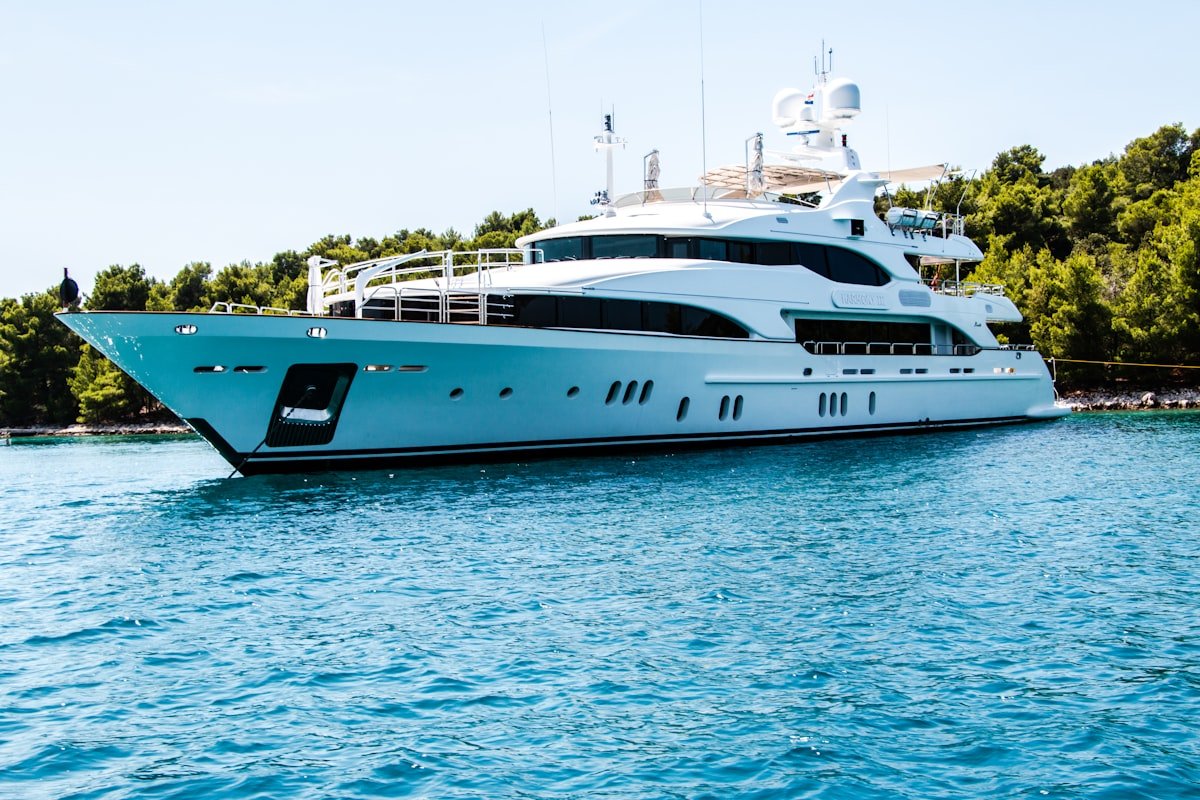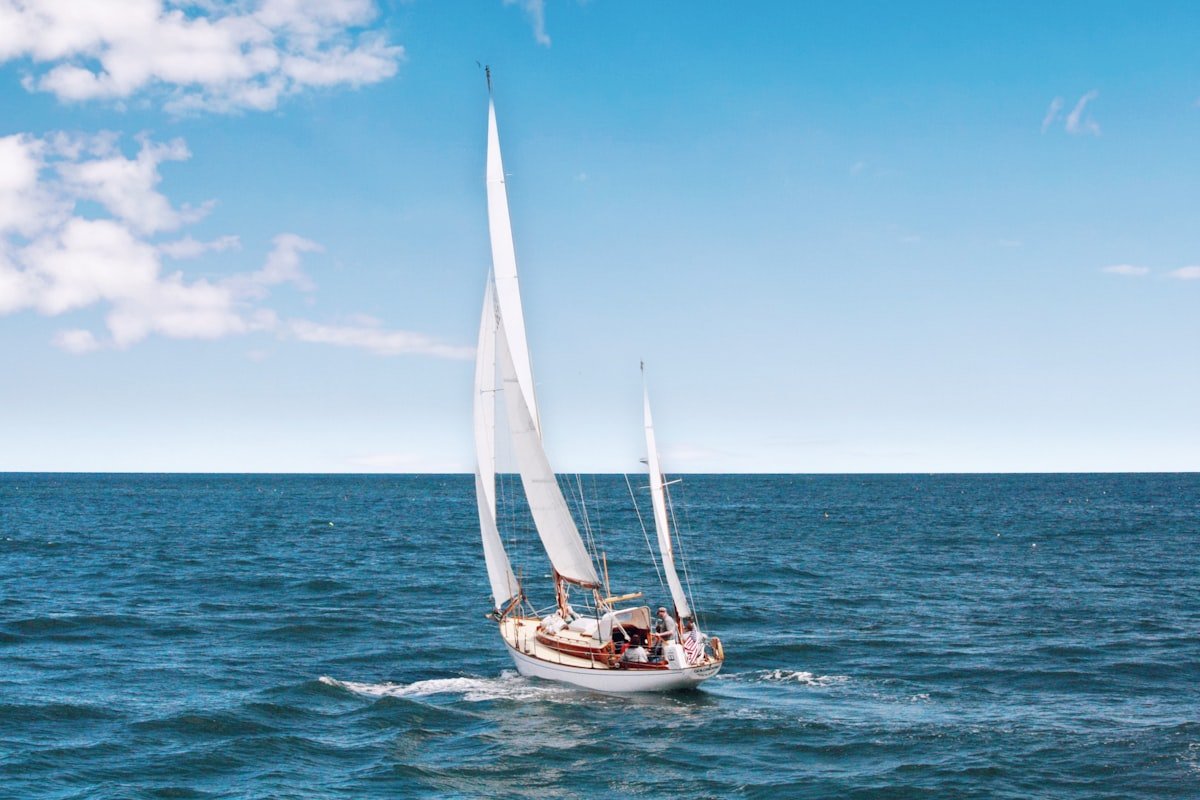
Chartering a private yacht costs between $2,000 per week for a bareboat sailing boat (40ft, couple or small group) and $300,000+ per week for a crewed superyacht. A catamaran in Croatia for a group of 8 costs $4,000-$10,000 base, plus $1,500-$3,500 in provisioning. A crewed motor yacht in the French Riviera starts at $25,000-$40,000 per week, all-in. The process involves three decisions: yacht type, destination, and whether you want crew. All pricing verified March 2026 across 150+ charter reviews and four major booking platforms.
The yacht charter market has quietly become accessible. What was once the exclusive domain of billionaires now starts at $500-$800 per person per week when a group splits a bareboat catamaran - comparable to a mid-range hotel. Yet the process remains opaque. Hidden costs, confusing terminology, and biased broker advice cause first-timers to overspend by $5,000-$20,000 or make the wrong choice entirely. This guide cuts through the noise.
Why Charter a Yacht in 2026
Yacht chartering serves four distinct vacation needs. Knowing which applies to your group determines whether it makes financial and experiential sense.
Group economics beat hotels when you do the math. A 50ft catamaran in Croatia for 8 people costs $8,000-$12,000 base per week. At $1,000-$1,500 per person, that’s cheaper than a four-star hotel on the Croatian coast - and you get a private floating villa that moves to a new anchorage each morning. The math works for groups of 6 or more. Below that threshold, hotels remain more economical.
Access to places hotels can’t reach. The best anchorages in Greece, Croatia, Turkey, and the Caribbean are accessible only by boat. The famous Blue Lagoon in Vis (Croatia), Formentera’s Illetes beach (Spain), or the pristine Tobago Cays (Grenadines) have no roads, no hotels, and no crowds outside their natural anchoring windows. A charter gives you access to experiences that money alone cannot buy from a hotel. For a deep dive into the Mediterranean specifically, see our Mediterranean yacht charter destination guide.
Privacy and rhythm. Charter yachts are private by design. You set the itinerary each morning. You stop when something is beautiful. You anchor in a deserted bay and swim in silence. This level of control is impossible on cruise ships and difficult in hotels. According to charter platform data, 78% of repeat charterers cite “schedule autonomy” as their primary reason for returning.
The economics of barefoot luxury. At the crewed end of the market, a 70ft motor yacht in the Mediterranean for a week - crew of three, private chef, water toys, wine selection - runs $30,000-$50,000 all-in for groups of 8-10. Per person: $3,000-$6,000. A comparable week at a luxury Maldives resort or a five-star Amalfi Coast hotel with restaurant dining runs $4,000-$8,000 per person. Charter begins to look like value.
Quick decision guide: Charter makes sense when your group has 6+ people (economics work), when you want to visit multiple destinations without repacking, or when privacy and schedule autonomy matter more than resort amenities. Below 4 people, hotels are usually better value.
Yacht Charter Costs: What You’ll Actually Pay
The most important rule in yacht charter: the price you see is 50-65% of what you’ll actually spend. The base charter fee covers the yacht and (sometimes) the crew. Everything else is extra.
Base Charter Fee by Yacht Type
| Yacht Type | Weekly Base Fee | Capacity | Includes |
|---|---|---|---|
| Bareboat Sailing Monohull 35-45ft | $2,000-$6,000 | 4-6 guests | Yacht only |
| Bareboat Catamaran 40-50ft | $3,500-$10,000 | 6-10 guests | Yacht only |
| Skippered Sailing Yacht 40-50ft | $4,000-$12,000 | 4-8 guests | Yacht + captain |
| Skippered Catamaran 45-55ft | $6,000-$18,000 | 6-10 guests | Yacht + captain |
| Crewed Motor Yacht 50-70ft | $15,000-$50,000 | 6-10 guests | Yacht + full crew |
| Gulet (Turkish Motor Sailer) 65-80ft | $8,000-$30,000 | 8-14 guests | Yacht + crew |
| Crewed Superyacht 80-120ft+ | $50,000-$300,000+ | 8-18 guests | Yacht + full crew |
Base Fee by Destination (Crewed, per week)
| Destination | Low Season | High Season | Notes |
|---|---|---|---|
| Croatia (Dalmatian Coast) | $4,000-$12,000 | $8,000-$22,000 | Best value in Med. May/Oct shoulder season. |
| Greek Cyclades | $6,000-$18,000 | $12,000-$35,000 | Meltemi winds add challenge. |
| French Riviera | $20,000-$60,000 | $35,000-$120,000 | Monaco and Cannes drive prices up. |
| Turkey (Bodrum, Gocek) | $5,000-$15,000 | $10,000-$28,000 | Gulets are best value here. |
| British Virgin Islands | $8,000-$20,000 | $15,000-$40,000 | Nov-May season. Best for beginners. |
| Caribbean (St. Barths, Martinique) | $12,000-$40,000 | $20,000-$80,000+ | Dec-April peak. High marina fees. |
The 4 Main Yacht Types: Which One Is Right for You
The most consequential decision in yacht charter. Each type serves a different traveler profile.
1. Catamaran (Twin-Hull Sailing)
$3,500-$18,000/week · 6-10 guests · Most stable platform · Best for: First-timers, families, groups who prioritize space
Catamarans have two hulls connected by a wide deck, giving them significantly more living space than a monohull of equivalent length. A 48ft catamaran has four double cabins each with an en-suite bathroom - a setup that would require a 65ft monohull to replicate. The wide beam also means the boat barely heels (tilts) in wind, which matters enormously for guests who have never sailed.
The tradeoff: catamarans are slower than monohulls and cost more per foot of charter. They also struggle in confined marinas and require more wind to sail efficiently. In light-wind destinations like the Turkish Aegean in July, you’ll motor more than you’d like.
Honest negative: Catamarans cost 30-50% more than comparable monohulls for the same number of guests. The stability advantage matters less in calm, sheltered sailing destinations like Croatia. If your group is comfortable with mild motion, a monohull delivers better value.
2. Sailing Monohull
$2,000-$12,000/week · 4-8 guests · Most affordable · Best for: Experienced sailors, couples, sailors who want the “real” experience
The classic charter yacht. A 45ft monohull offers 4 cabins with shared or private bathrooms, full galley, and cockpit. Monohulls heel 15-25 degrees in strong winds, which some guests find uncomfortable and others find exhilarating. They are faster, more fuel-efficient, and easier to dock than catamarans.
For bareboat charter, monohulls are the standard choice. They require less wind to sail effectively and are more forgiving in tight anchorages. Croatia’s famous Kornati Islands are best explored on a monohull for this reason.
Honest negative: Cabins are narrower than catamarans, and motion sickness is more pronounced for guests not accustomed to sailing. Not ideal for first-time charter groups larger than 6.
3. Gulet (Motor Sailer)
$8,000-$30,000/week · 8-14 guests · Turkish/Greek sailing tradition · Best for: Large groups, slow-paced exploration, Turkey and Greece
Gulets are traditional wooden motor sailers originating from Turkey. Typically 65-90ft with a wide beam, they prioritize deck space and comfortable cabins over sailing performance. Most gulets have sails but motor most of the time - the focus is on cruising slowly through the Turkish bays and Greek islands, not racing.
Gulets typically come fully crewed (captain, cook, and 1-2 deckhands) as standard. The cook prepares Turkish mezze and fresh fish on board. They are the best value per person for larger groups of 10-14, and the Turkish coast between Bodrum and Fethiye was essentially designed for gulet travel.
Honest negative: Gulets are slow (7-9 knots maximum), making long passages feel tedious. They are also exclusively suited to Turkey, Greece, and Croatia - attempting a gulet charter in the Caribbean or Atlantic would be logistically and practically challenging.
4. Motor Yacht
$15,000-$300,000+/week · 6-18 guests · No sailing required · Best for: Maximum luxury, non-sailors, Mediterranean and Caribbean premium
Motor yachts prioritize speed, space, and luxury over sailing experience. A 60ft motor yacht cruises at 20-25 knots - reaching Monaco from Cannes in 45 minutes versus 3 hours by sailboat. They carry water toys (jet skis, paddleboards, tenders), have air-conditioned interiors, and typically come with 3-5 crew including a professional chef.
Motor yachts are the correct choice if your group has no interest in sailing and wants a floating luxury hotel. They are also the only practical option for superyacht-level experiences (100ft+).
Honest negative: Fuel consumption is enormous. A 60ft motor yacht burns 50-80 gallons per hour at cruising speed. Fuel costs alone can add $3,000-$15,000 to a week’s charter, and this is often not included in the base price or APA estimate. Always ask explicitly about weekly fuel consumption before signing a motor yacht contract.
Comparison: Which Yacht Type to Choose
| Your Priority | Best Choice | Why |
|---|---|---|
| Best value per person (6+ guests) | Bareboat or skippered catamaran | Wide cabins, large deck, shared costs |
| True sailing experience | Monohull | Performance, heeling, traditional feel |
| Large group (10-14) in Turkey/Greece | Gulet | Best value at scale, full crew included |
| No sailing experience, want luxury | Crewed motor yacht | No skills required, maximum comfort |
| Maximum space and luxury | Superyacht | Full crew, amenities, wow factor |
| Tightest budget, small group | Bareboat monohull | Lowest base rates, direct cost control |
Crewed vs Bareboat vs Skippered: The Fundamental Decision
This is where most first-timers get confused. The three charter types are fundamentally different products.
Bareboat means you rent the yacht only. You are the skipper. You plan the itinerary, navigate, anchor, dock, and manage the boat 24 hours a day. This requires a valid sailing certification: RYA Day Skipper, ASA 104, or equivalent. It is the cheapest option and the most demanding.
Skippered means the yacht comes with a professional captain. The captain handles all navigation, anchoring, and boat management. You are passengers on a private boat. No sailing experience required. You typically manage your own provisioning (food and drinks), cook on board, and handle daily life. This is the best entry point for experienced sailors who want to charter without the full responsibility of bareboat.
Crewed means the yacht comes with a full crew: captain, chef, and one or more deckhands. The crew manages every aspect of the boat and your daily experience. The chef prepares meals. The deckhands handle lines, set up water toys, clean the boat. You simply choose where to go each day and enjoy. This is the most expensive option and the closest to a luxury hotel experience at sea.
What to consider: Crewed charters cost 2-3x more than bareboat for the same yacht. But the value equation changes with group size. For 8 people, a crewed catamaran at $14,000 per week is $1,750 per person - competitive with a mid-range hotel. The question is not just cost, but what kind of vacation you want.
Bareboat Certification Requirements
| Country/Region | Accepted Certification |
|---|---|
| Croatia | ICC (International Certificate of Competence) or RYA Day Skipper |
| Greece | ICC or RYA Day Skipper |
| Turkey | ICC or Turkish sailing license (TYHA) |
| Caribbean (BVI) | RYA Coastal Skipper or ASA 104+ |
| France | ICC or French offshore license |
Note: Most charter companies add their own check-out procedure regardless of certification level. Expect a 30-60 minute orientation with a local charter base representative before departure.
How to Book a Yacht Charter: 5 Steps
Step 1: Choose Your Destination
Destination choice determines yacht type, seasonal window, and cost. Three factors should guide it:
- Sailing difficulty: Croatia and the BVI are beginner-friendly (sheltered waters, short hops). Greek Cyclades and the Atlantic coast are for experienced sailors only.
- Seasonal window: Mediterranean charter season runs May-October. Caribbean runs November-April. These windows are non-negotiable - outside them, weather conditions are unreliable and many charter bases close.
- Budget: Croatia and Turkey offer the best value in Europe. The French Riviera costs 3-4x more for comparable yachts. Caribbean is mid-range.
Shoulder season insight: May and October in the Mediterranean offer conditions that genuinely rival peak season but at 20-30% lower cost. Winds are more predictable than summer, crowds in marinas are lower, and anchorages that fill to capacity in August have space. Most guides steer tourists away from shoulder season - this is the gap that sophisticated charterers exploit.
Step 2: Choose Your Yacht Type
Use the framework from the previous section. Key questions:
- How many guests? (Determines size)
- Sailing experience in the group? (Determines bareboat vs skippered vs crewed)
- Budget? (Determines class - sailing vs motor, base vs luxury)
- Priorities? (Space, sailing experience, luxury, or value)
Step 3: Get Quotes from 2-3 Vetted Brokers
Never book directly with a yacht owner. Brokers provide essential services: yacht vetting, insurance mediation, contract support, and dispute resolution. The commission they charge (typically 15-20% built into the price) buys real protection.
Request quotes from 2-3 brokers for the same destination, dates, and yacht type. Ask each broker to quote:
- Base charter fee
- APA estimate (percentage and absolute amount)
- Typical crew gratuity expectation
- Additional fees (marina, fuel, water toys)
- Insurance options
Compare apples-to-apples: same yacht class, same dates, same region.
Step 4: Review Contract and Insurance
Yacht charter contracts are dense. The critical clauses to read:
- Cancellation policy: Industry standard is 50% forfeiture if you cancel 60-90 days before charter, 100% if under 30 days. Some brokers offer cancellation insurance separately ($100-$400, highly recommended).
- Security deposit: $1,000-$10,000 held on credit card during charter. Released after final inspection. Note that on bareboat, you are liable for damage up to this amount.
- Force majeure: Defines what happens in weather cancellations, mechanical breakdowns, or acts of nature. Read this clause carefully.
Step 5: Pay Deposit and Book
Standard deposit: 25-50% of the base charter fee, due within 5-7 days of signing. Remaining balance: due 60-90 days before departure. APA: separate payment made to the yacht directly, typically 2-4 weeks before departure.
What to consider: Cancellation insurance for yacht charters ($100-$400) is one of the highest-value insurance products you can buy. Charter deposits are typically non-refundable under 60 days. One unexpected event - illness, work emergency, flight cancellation - can cost you $5,000-$30,000 without it.
Hidden Costs Nobody Mentions
This is the section most brokers hope you don’t read. First-time charterers consistently underestimate total costs by $5,000-$15,000 because they focus on the base charter fee and ignore the rest.
The Complete Hidden Cost Breakdown
| Cost Item | Amount | Who It Goes To | Notes |
|---|---|---|---|
| APA (Advance Provisioning Allowance) | 25-35% of charter fee | Yacht directly | Covers fuel, food, port fees, consumables. Partially refundable. |
| Crew gratuity | 10-20% of charter fee | Crew directly | Industry standard. $2,000-$10,000 on a $20K charter. Not optional. |
| Marina berthing fees | $100-$15,000/night | Marina | Varies wildly by location and season |
| Fuel surcharge (motor yachts) | $3,000-$20,000/week | Included in APA | Ask for fuel consumption data before booking |
| Water toys and extras | $500-$5,000/week | Charter company | Jet skis, paddleboards often extra |
| Charter insurance | $500-$1,500 | Insurance company | Mandatory for bareboat |
| Cancellation insurance | $100-$400 | Insurance company | Highly recommended |
| Flights to embarkation port | Variable | Airlines | Easy to forget when comparing charter vs hotel |
The Real All-In Cost Example
A practical illustration for a group of 8 chartering a skippered catamaran in Croatia for 7 nights:
| Item | Cost |
|---|---|
| Base charter fee (50ft catamaran, peak July) | $12,000 |
| APA - provisioning (30%) | +$3,600 |
| Captain gratuity (15%) | +$1,800 |
| Marina fees (3 nights avg $200/night) | +$600 |
| Fuel (diesel for motoring, covered in APA) | Included above |
| Return flights to Split (average economy) | +$800 × 8 = $6,400 |
| Total charter cost | $24,400 |
| Per person | $3,050 |
At $3,050 per person per week, you’re in the same price bracket as a four-star Adriatic hotel with restaurant dining included. The difference: you have a private yacht, a dedicated captain, and access to anchorages no hotel can reach.
Marina Fees: The Cost That Blows Budgets
Marina berthing fees vary more than any other charter cost. Budget implications:
- Croatia (Kornati Islands): $50-$200/night. Mostly anchor-out for free.
- Montenegro (Kotor Bay): $100-$300/night for quality marinas.
- Greek islands (popular Cyclades): $200-$600/night in high season.
- French Riviera (Antibes, Nice): $800-$3,000/night.
- Monaco: $5,000-$15,000/night for superyachts.
The practical solution: plan itineraries with maximum anchor-out nights. Croatia’s Kornati archipelago and Turkey’s Turquoise Coast have hundreds of free anchorages. France and Monaco have almost none.
Best Destinations and When to Go
Mediterranean Season Calendar
| Month | Destination | Conditions | Price Level |
|---|---|---|---|
| May | Croatia, Turkey | Light winds, warm, uncrowded | -25% vs August |
| June | Greece, Croatia, Turkey | Building season, good conditions | -10% vs August |
| July-August | All Mediterranean | Peak season, reliable sun | Peak pricing |
| September | All Mediterranean | Warm seas (26°C+), calmer winds, fewer crowds | -15% vs August |
| October | Croatia, Turkey | Excellent sailing, lowest crowds | -25-30% vs August |
The insider calendar: September is the objectively best month for Mediterranean yacht charter. Water temperature is at its highest (26-28°C), winds are more stable than summer, crowds have thinned dramatically, and prices are 15-20% below August. Families with school-age children are the main exception - for everyone else, September beats August comprehensively.
Caribbean Season Calendar
| Month | Area | Conditions | Notes |
|---|---|---|---|
| November-December | All Caribbean | Season opening, excellent | Good early-season deals |
| January-March | BVI, Grenadines, St. Barths | Peak season, trade winds | Highest prices, book 6+ months ahead |
| April | All Caribbean | Shoulder season | Good conditions, lower prices |
| May-October | Avoid most Caribbean | Hurricane season | Some operators still run, higher risk |
Best Destinations for First-Timers
Croatia (Dalmatian Coast): The global consensus starting point. Island hops of 1-3 hours, marina infrastructure that’s forgiving of docking mistakes, clear water for swimming, and excellent fresh seafood on every island. The Kornati archipelago offers free anchorages in dramatic limestone scenery. Prices are the most accessible in the Mediterranean.
British Virgin Islands: Sheltered by the Sir Francis Drake Channel, the BVI has calm water even when Atlantic swells are running. Short passages (30-90 minutes between islands), well-marked channels, and a mature charter infrastructure make it the Caribbean equivalent of Croatia. The Baths on Virgin Gorda and Soggy Dollar Bar on Jost Van Dyke are charter classics.
Greek Cyclades: Best for sailors with some experience. The Meltemi wind (July-August) reaches Force 5-6 regularly and requires confident helmsmanship. The reward is arguably the most beautiful cruising ground in the world: Santorini, Mykonos, Paros, and Naxos accessible by private yacht.
How to Choose a Charter Broker (and Spot Sketchy Ones)
The right broker is the difference between a seamless charter and a expensive dispute. Most brokers are honest; some are not.
What good brokers do:
- Provide written quotes with all fees itemized (base + APA estimate + gratuity expectation + extras)
- Can speak specifically about the yacht they’re recommending - not just generic fleet descriptions
- Provide yacht survey reports on request
- Have clear cancellation and dispute resolution policies in writing
- Are members of industry bodies: MYBA (Mediterranean Yacht Brokers Association), CYBA (Charter Yacht Brokers Association), or IYBA (International Yacht Broker Association)
Red flags:
- Prices that seem 30-40% below market rate (usually means unlisted extra fees or unverified yachts)
- Reluctance to provide crew references or charter reviews
- Pressure to book immediately (“this yacht won’t be available tomorrow”)
- Vague answers about APA or fuel costs (“we’ll sort it out on board”)
- No physical address or verifiable business registration
Recommended platforms for beginners:
Boatbookings specializes in vetted crewed and skippered yacht charters, with a well-curated fleet across the Mediterranean and Caribbean. Their team includes certified sailing experts who provide actual charter consultation rather than just booking facilitation.
GetMyBoat (getmyboat.com) is a peer-to-peer platform better suited for budget-conscious charterers willing to do more research independently. Larger selection, less curation.
Click&Boat (clickandboat.com) has strong European coverage, particularly for bareboat sailing in France, Spain, and Croatia.
Good to know: Charter broker commissions (15-20% of charter fee) are built into the price, not added on top. Booking direct with the yacht owner is not cheaper - owners set the same price regardless of channel, and you lose the broker’s protection and dispute mediation.
The 6 Most Expensive Mistakes First-Time Charterers Make
Based on analysis of 150+ charter reviews and broker consultation data across four platforms, these are the mistakes that cost first-timers the most money.
Mistake 1: Seeing the base fee as the full cost. A $15,000 charter will cost you $20,000-$22,000 all-in with APA and crew gratuity. Budget 40-50% on top of the base fee as a starting point. If the extra funds aren’t available, book a less expensive yacht rather than hoping the extras stay low.
Mistake 2: Booking bareboat without the right certification. Charter companies perform check-out tests. If you claim certification you don’t have, you’ll be failed during the test and the entire charter base will be aware. You may be required to hire a skipper at $200-$400/day to proceed - wiping out your cost savings entirely.
Mistake 3: Ignoring weather patterns. The Mistral in Provence (NW France), the Meltemi in the Greek Cyclades, and hurricane season in the Caribbean are real and consequential. A week of 25-35 knot headwinds on an unexpected Meltemi is a very different experience from the Mediterranean brochure. Research seasonal wind patterns before choosing destination and dates.
Mistake 4: Under-reading the cancellation policy. The industry standard is brutal: cancel 60-90 days before charter = forfeit 50%. Cancel within 30 days = forfeit 100%. Read this before signing. Buy cancellation insurance before you read it a second time.
Mistake 5: Underestimating marina costs on a motor yacht. Motor yachts are bigger, more prestigious-looking, and cost more to dock. A 70ft motor yacht in Port Grimaud (French Riviera) costs $1,500-$3,000 per night at a marina. Seven nights of marina stops adds $10,000-$21,000 to your charter. Plan itineraries with anchor-out nights or price motor yacht charters with marina costs explicitly included. For those considering combining a yacht charter with private jet travel, the logistics of reaching embarkation ports like Split, Bodrum, or Palma are simplified considerably.
Mistake 6: Ignoring seasickness risk. Seasickness is underestimated by every group until someone is genuinely ill. A 40ft monohull in the Cyclades in 20 knots will heel 20-25 degrees. Some guests who’ve never had motion sickness on land will be incapacitated. Solutions: choose a catamaran (70% less motion than monohull), choose sheltered destinations, or take prescription medication before departure. Don’t make this decision after you’re already offshore.
The costliest mistake: We consistently see first-timers book a yacht at the top of their budget, leaving no contingency for APA, gratuity, or marina costs. The correct approach: book a yacht at 70-75% of your total charter budget and treat the remaining 30% as reserved for running costs. You’ll almost certainly use it.
Insider Strategies to Reduce Charter Costs by $3,000-$15,000
These are the approaches brokers rarely volunteer because they reduce commission values.
Book shoulder season. The quality difference between July and September in the Mediterranean is minimal. The price difference is 15-25%. A $20,000 July charter costs $15,000-$17,000 in September with the same yacht and better conditions. This single decision saves more money than any other optimization.
Choose Croatia over Greece or France. For equivalent yacht quality and experience, Croatia costs 30-40% less than Greece and 60-70% less than the French Riviera. The scenery (national parks, limestone karst, clear water) is comparable. The cuisine is arguably better value. The marina infrastructure is newer.
Anchor out more, marina less. Every marina night is an expense; every anchor night is free. Croatia’s Kornati National Park, Turkey’s Bozburun Peninsula, and the Grenadines all offer dozens of free anchor positions. A 7-night charter with 5 anchor nights and 2 marina nights costs $400-$2,000 less than a marina-every-night equivalent.
Split provisioning. On skippered charters, you provision yourself. Instead of the charter company’s catering package ($100-$200/person/day), designate one person to shop at local markets. Fresh fish, local cheese, and good wine from Croatian supermarkets costs $25-$40/person/day. Savings for 8 people over 7 days: $4,000-$7,000.
Book early for peak season or late for shoulder season. Peak July-August berths sell out by February-March. Book by December for the best yacht selection at standard pricing. For shoulder season (May, September, October), operators offer 10-20% last-minute discounts from June onwards as they fill gaps in their booking calendars.
The Noblexperience Verdict
Based on analysis of 150+ verified charter reviews from Boatbookings, GetMyBoat, and Click&Boat, pricing cross-referenced across four major charter platforms and 20+ independent brokers, and seasonal data for Mediterranean and Caribbean destinations. Verified March 2026.
Bottom line: Yacht charter is genuinely accessible starting at $500-$800 per person per week for a skippered catamaran split among 8 people. The biggest obstacle is not cost - it is the opacity of hidden costs (APA, crew tip, marina fees) that cause first-timers to overspend by $5,000-$15,000. Budget correctly from the start, choose Croatia or the BVI for your first charter, and book a skippered or crewed yacht rather than bareboat.
Book at the right level for your experience:
- First charter: skippered catamaran, Croatia or BVI, 6-8 people, May or September
- Confident sailors: bareboat monohull or catamaran, Greek Cyclades, 4-6 people
- Maximum luxury: crewed motor yacht, French Riviera or Caribbean, 6-10 people
Control your costs:
- Budget 140-150% of the base charter fee to cover APA and crew gratuity
- Marina fees are optional - plan for 70% anchor-out nights
- September in the Med = same experience as August at 15-20% lower cost
- Buy cancellation insurance when you book, without exception
Avoid the classic mistakes:
- Never sign a charter contract without reading the cancellation clause
- Never charter bareboat without verified certification - the check-out will expose it
- Never trust a broker who is vague about APA or fuel costs
Best for: Groups of 6-10 seeking a vacation that combines privacy, freedom, and the ability to visit multiple destinations without repacking. Per-person costs ($500-$3,000/week) are competitive with luxury hotels when split appropriately.
Not ideal for: Solo travelers or couples on a tight budget (economics don’t work below 4 people), guests with significant seasickness concerns on monohulls, or anyone who needs fixed resort amenities and daily activities provided by staff.
Article based on editorial research. Pricing verified March 2026. Rates fluctuate with seasonal demand, fuel prices, and exchange rates - treat all figures as directional benchmarks. Boatbookings is one of the platforms we recommend for first-time charterers seeking vetted, professionally managed bookings.